
Chengdu Tea Houses vs Beijing Opera Cultural Experiences
- Date:
- Views:235
- Source:The Silk Road Echo
If you're torn between sipping tea in a Chengdu tea house and catching a dramatic Beijing opera performance, you’re not alone. As someone who’s explored both deeply—from chatting with elderly locals over jasmine brews to analyzing Peking opera vocal techniques—I’m here to break it down with real insights, not just tourist brochures.
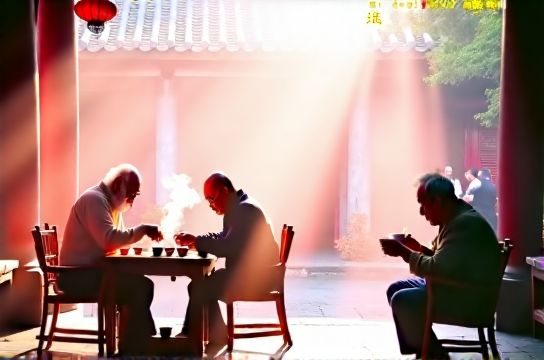
Let’s start with the vibe. Chengdu tea houses are all about slow living. Think lazy afternoons, bamboo chairs, and the soothing clink of porcelain. It’s where locals gossip, play mahjong, and even get their eyebrows threaded. Meanwhile, Beijing opera is intense—bright costumes, sharp movements, and haunting melodies that echo centuries of imperial drama. One’s a chill hangout; the other’s a cultural adrenaline shot.
But which offers a richer cultural experience? Let’s compare key aspects:
| Feature | Chengdu Tea Houses | Beijing Opera |
|---|---|---|
| Accessibility (Language) | High – non-verbal, relaxed interaction | Moderate – plot-heavy, Mandarin/Classical Chinese |
| Average Cost (USD) | $2–$5 (tea + entry) | $15–$50 (ticket) |
| Duration | Open-ended (1–4 hrs typical) | 2–3 hours fixed |
| Cultural Depth | Everyday Sichuan lifestyle | Imperial court art form |
| Best For | Relaxation, people-watching | Drama, music lovers |
Now, let’s talk numbers. A 2022 China Cultural Tourism Report found that 68% of foreign visitors rated tea house experiences as “highly memorable” due to sensory immersion—smell of tea, sound of chatter, tactile bamboo seating. In contrast, only 43% fully understood Beijing opera plots, though 79% praised its visual spectacle.
Here’s the kicker: you don’t have to choose. Many travelers miss that Beijing opera shows now include English subtitles and 10-minute pre-show explainers. And some upscale Chengdu spots, like Heming Teahouse, offer mini-opera performances right in the courtyard—best of both worlds.
My take? Start with a tea house. Let the city sink in. Then cap it off with an opera night. The contrast deepens appreciation for both. If time’s short, go tea house—it’s more forgiving, cheaper, and honestly, more fun if you’re not into high-pitched singing.
Pro tip: Visit tea houses early (9–11 AM) to avoid crowds and catch local rituals like ‘tou tang’—the first brew poured over the table for luck. For opera, pick weekday shows; they’re less touristy and often feature rising stars.
In the end, both are pillars of Chinese culture—but serve different appetites. Craving connection? Go Chengdu tea house. Want drama? Head backstage in Beijing. Either way, you win.