
Beijing Beyond the Forbidden City: Discovering Secret Courtyards and Hutongs
- Date:
- Views:220
- Source:The Silk Road Echo
Think Beijing is just about the Great Wall and the Forbidden City? Think again. While millions flock to the imperial landmarks, locals know the real magic hides in the hutongs—those narrow alleyways weaving through centuries-old siheyuan (courtyard homes). These hidden lanes are where old Beijing breathes, whispers, and sips tea in quiet courtyards.
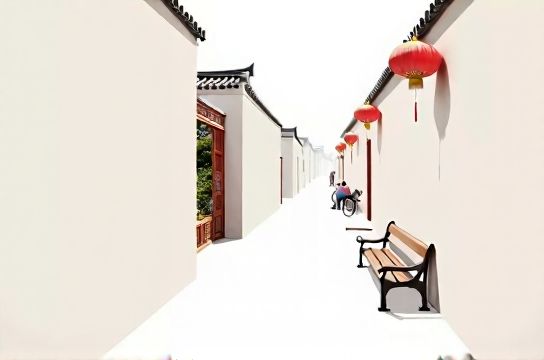
Forget sterile skyscrapers; here, life unfolds on wooden stools and bicycle bells chime like morning prayers. We’re diving deep into Beijing’s soul, uncovering secret hutongs, cultural gems, and why preserving these neighborhoods matters.
Why Hutongs Matter: More Than Just Alleys
Hutongs aren’t just streets—they’re living history. Dating back to the Yuan Dynasty (13th century), they once numbered over 6,000. Today, only around 900 remain, according to Beijing Municipal Commission of Urban Planning. Each twist tells a story of emperors, scholars, and everyday folks who shaped China’s capital.
| Era | Approx. Number of Hutongs | Key Features |
|---|---|---|
| Yuan Dynasty (1271–1368) | ~400 | Grid layout, centered around palaces |
| Ming Dynasty (1368–1644) | ~1,500 | Expansion, family-centered siheyuan design |
| Qing Dynasty (1644–1912) | ~3,000 | Ornate gates, rise of merchant culture |
| Present Day | ~900 | Mixed preservation & redevelopment |
Off-the-Beaten-Path Hutong Gems
- Yandaixie Street: Often called “Smelly Alley” (thanks to historic incense shops), this 700-meter lane near Houhai Lake blends old teahouses with indie boutiques. Pro tip: Visit at dusk when lanterns glow.
- Badaowan Hutong: One of Beijing’s oldest, dating back to the Ming era. Its maze-like layout feels like stepping into a kung fu film. Look for carved door gods on courtyard gates.
- Lingjing Hutong: Once home to Peking Opera stars, now a quirky mix of art studios and cat-filled courtyards. Don’t miss the tiny temple tucked behind a noodle shop.
Courtyard Culture: Life Inside a Siheyuan
The siheyuan is Beijing’s architectural heartbeat—a four-sided compound with a central courtyard. Traditionally, elders lived in the north-facing main house (best sunlight), while younger members occupied side rooms. Today, many have been converted into cafes, guesthouses, or shared residences.
Want to experience one? Check out Tempo’s House, a restored courtyard near Shichahai. It offers guided tours and calligraphy workshops. Or sip matcha at King’s Garden, a chic café where ancient beams meet modern minimalism.
Challenges & Conservation
Rapid urbanization threatens these treasures. Between 1990 and 2010, over 40% of Beijing’s hutongs vanished. But grassroots efforts are fighting back. NGOs like Beijing Heritage Federation advocate for adaptive reuse—preserving facades while upgrading interiors for modern life.
Tourism helps, but balance is key. Locals appreciate respectful visitors who don’t treat their homes like photo backdrops.
Plan Your Hutong Adventure
Best time to visit? Spring (April–May) or Autumn (September–October)—mild weather, golden light. Rent a bike or join a walking tour with Lost Plate Food Tours to sample dumplings from a 90-year-old grandma’s kitchen.
Remember: Walk softly, ask before photographing residents, and support local artisans. In these quiet lanes, you're not just touring a city—you're honoring a legacy.