
Journey Through Beijing Hidden Gems in 798 Art Zone
- Date:
- Views:299
- Source:The Silk Road Echo
If you think Beijing is all about the Forbidden City and the Great Wall, it’s time to rethink. Tucked away in the northeast corner of the city lies a creative oasis — the 798 Art Zone. Once a cluster of abandoned military factory buildings, this artsy district has transformed into a cultural hotspot that blends industrial grit with avant-garde flair. As someone who’s wandered through every alleyway here (more than once!), I’m spilling the tea on how to truly experience the hidden gems in 798 Art Zone.
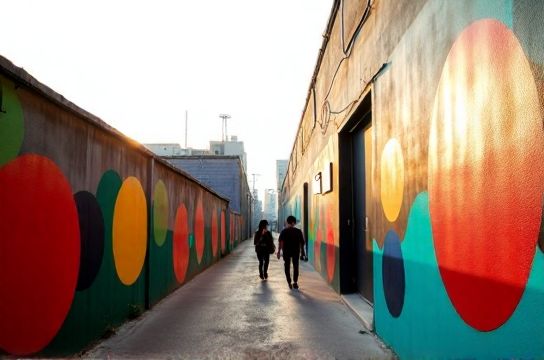
Why 798 Stands Out
The 798 Art Zone spans over 650,000 square feet and hosts more than 200 galleries, studios, and design shops. Unlike traditional museums, this place thrives on spontaneity. You won’t find velvet ropes or 'do not touch' signs — just raw creativity.
Last year, the zone attracted over 3 million visitors, according to Beijing Tourism Bureau data. But here's the secret: most stick to the main drag. The real magic? It’s in the side alleys.
Must-Visit Spots & Timing Tips
To help you plan like a pro, here’s a quick-reference table:
| Venue | Type | Best Time to Visit | Entry Fee (CNY) |
|---|---|---|---|
| UCCA Center for Contemporary Art | Museum | Weekday Mornings | 80 |
| Boers-Li Gallery | Contemporary Art | Weekend Afternoons | Free |
| Star Gallery | Experimental Art | Evenings (Events) | 50–100 |
| Foundry 798 | Sculpture Studio | By Appointment | Free |
Pro tip: Visit between 10 AM and 12 PM on weekdays to avoid crowds and catch artists at work. Many studios open their doors then, offering impromptu chats — golden moments for true art lovers.
Off-the-Grid Experiences
While UCCA draws the crowds, don’t sleep on smaller spaces like Arrow Factory — a narrow shopfront turned conceptual art lab. Or check out Tabula Rasa, known for its rotating installations that challenge perception.
And yes, there are cafes worth writing home about. Café Sambal isn’t just Instagram bait (though it is very photogenic); their curation of indie art books makes it a quiet sanctuary amid the buzz.
Local Insights: What the Tourist Guides Won’t Tell You
Many visitors miss that 798 was originally part of the 718 Joint Factory, built in the 1950s with East German architectural influence. That Bauhaus-style grid layout? Not accidental. It shapes how light flows through galleries — something photographers secretly love.
Also, while entry to the zone is free, some pop-ups charge fees during art weeks (March and September). Mark your calendar: Beijing International Art Festival often features live mural painting and limited-edition prints.
Final Thoughts
The 798 Art Zone isn’t just a destination — it’s a mindset. Come curious, wear comfy shoes, and let serendipity guide you. Whether you're an art newbie or a seasoned collector, this district rewards those who wander off-script.