
Shanghai Modern Culture Shines in West Bund Architecture
- Date:
- Views:221
- Source:The Silk Road Echo
If you're into cutting-edge design and urban renewal, Shanghai's West Bund is where the magic happens. As a longtime architecture enthusiast and city explorer, I’ve seen how this riverside district has transformed from industrial wasteland to a global hub of modern culture. And let me tell you — it’s not just about pretty buildings. It’s about vision.
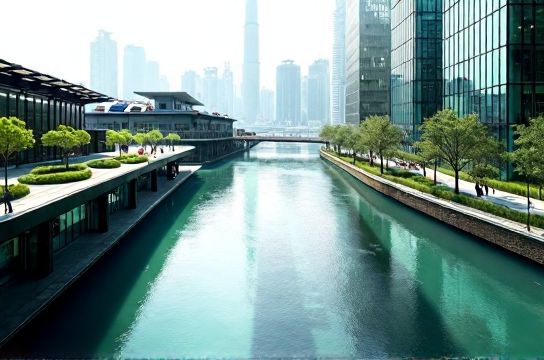
The West Bund, stretching along the Huangpu River, has become Shanghai’s architectural playground. Since 2012, over 20 landmark cultural and commercial projects have been completed here, including the Long Museum, Tank Shanghai, and the Center Pompidou x West Bund. The city invested more than ¥30 billion (roughly $4.2 billion USD) into infrastructure and cultural development — now that’s commitment.
What makes this area stand out? It’s the blend of international talent and local ambition. Architects like Tadao Ando, David Chipperfield, and Zaha Hadid’s firm have all left their mark. But it’s not just star power — it’s strategy. The government-backed West Bund Development Office coordinates master planning with precision, ensuring each project complements the next.
Let’s break down some key sites shaping this cultural renaissance:
| Site | Architect | Year Opened | Floor Area (㎡) | Key Feature |
|---|---|---|---|---|
| Long Museum West Bund | Liu Yichun (Atelier Deshaus) | 2014 | 33,000 | Dual vault structures inspired by dock cranes |
| Tank Shanghai | OPEN Architecture | 2018 | 22,000 | Repurposed WWII air raid tanks as galleries |
| West Bund MOMA | Arata Isozaki & Associates | 2021 | 45,000 | Mixed-use arts complex with riverfront access |
| Siemens Shanghai Innovation Park | Foster + Partners | 2020 | 140,000 | Sustainable tech campus with net-zero goals |
As you can see, diversity in function and form defines the West Bund. From art museums to innovation parks, this zone isn’t just for tourists — it’s a live-work-play model redefining urban architecture in Shanghai.
Foot traffic tells the story: In 2023, the West Bund welcomed over 6 million visitors, with major events like the West Bund Art & Design fair drawing international collectors. Compare that to 2015’s 1.2 million, and you’ve got exponential growth.
But beyond numbers, what’s exciting is the philosophy. Adaptive reuse — turning old factories and docks into cultural spaces — reduces carbon impact while preserving memory. Tank Shanghai, for example, keeps its raw concrete shells, blending history with contemporary curation.
And the future? Big things. The upcoming West Bund Floating City plan includes amphibious buildings and green corridors, aiming for 85% pedestrian and bike accessibility by 2030. That’s ahead of most global cities.
So whether you’re an architect, investor, or weekend wanderer, don’t sleep on the West Bund. It’s not just part of Shanghai’s modern culture — it’s leading it.