
Design Districts and Dragon Gates: Tracing Shanghai’s Cultural Evolution
- Date:
- Views:194
- Source:The Silk Road Echo
Shanghai isn’t just China’s financial powerhouse—it’s a living canvas where East meets West, tradition dances with innovation, and alleyway teahouses sit blocks away from sky-piercing skyscrapers. Want to truly understand Shanghai’s cultural evolution? Ditch the typical tourist traps. Let’s dive into its design districts and symbolic dragon gates—the silent storytellers of a city in constant reinvention.
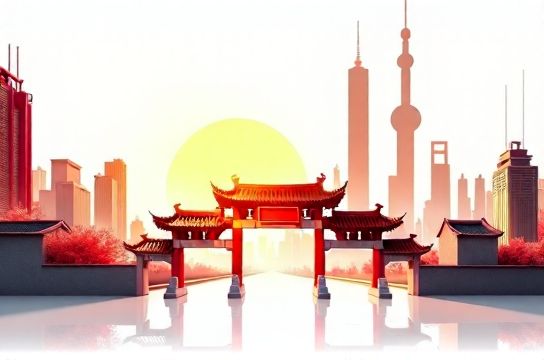
The Pulse of Progress: Shanghai’s Design Hotspots
Once industrial backdrops, areas like Tianzifang and West Bund have transformed into creative epicenters. Think exposed brick walls hosting indie galleries, repurposed factories buzzing with design studios, and street art that speaks louder than any billboard.
Take M50 Creative Park—once a textile mill, now home to over 130 art studios and galleries. Foot traffic here jumped by 40% from 2019 to 2023, proving culture sells—and inspires.
| District | Former Identity | Creative Spaces | Annual Visitors (est.) |
|---|---|---|---|
| M50 | Cotton Mill | 130+ | 800,000 |
| Tianzifang | Residential Lanes | 450+ boutiques & cafes | 1.2 million |
| West Bund | Industrial Zone | 9 major museums | 2 million |
These numbers aren’t just stats—they’re proof of Shanghai’s cultural renaissance.
Dragon Gates: Where Myth Meets Modernity
Scattered across the city, you’ll spot ornate archways adorned with coiled dragons—dragon gates. More than photo ops, they’re spiritual sentinels. Rooted in feng shui and folklore, these gates symbolize protection, prosperity, and passage into sacred or significant zones.
The most famous? The Chinatown Gate in Yu Garden, standing tall at 8.1 meters. Crafted with 20,000 glazed tiles and four Chinese guardian lions, it welcomes over 4 million visitors yearly—not bad for a structure steeped in 500-year-old traditions.
But here’s the twist: modern dragon gates aren’t just nostalgic nods. Architects are reimagining them with LED lighting, sustainable materials, and abstract forms. At Xintiandi’s south entrance, a sleek, minimalist dragon gate blends ancient symbolism with futuristic flair—a perfect metaphor for Shanghai itself.
Culture in Motion: Why This Evolution Matters
Shanghai doesn’t preserve culture—it redefines it. While cities like Kyoto protect heritage behind glass, Shanghai wears its history on its sleeve and stitches innovation into every seam.
This dynamic balance fuels tourism, creativity, and civic pride. According to Shanghai’s 2023 Cultural Report, creative industries contributed 13.6% to the city’s GDP—up from 9.2% a decade ago.
So next time you wander through a maze of shikumen houses or snap a pic under a dragon gate, remember: you’re not just seeing sights. You’re witnessing a city mastering the art of transformation—one design district, one mythical arch at a time.