
Chengdu Slow Living Moments in People’s Park Teahouses
- Date:
- Views:211
- Source:The Silk Road Echo
If you’ve ever wondered what true slow living feels like, head straight to the teahouses in Chengdu’s People’s Park. As a local culture blogger who’s sipped my way through dozens of Sichuan tea spots, I can tell you—this isn’t just about drinking tea. It’s about stepping into a rhythm of life that values presence over productivity.
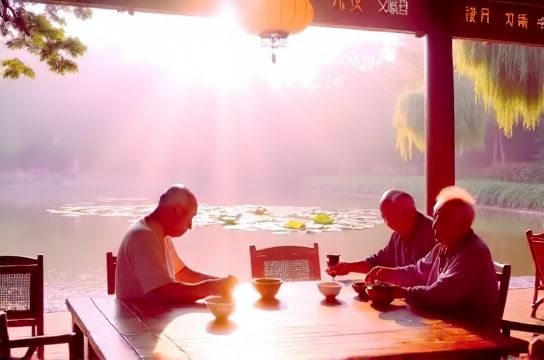
Chengdu, the capital of Sichuan Province, is globally celebrated not just for its pandas and spicy hotpot—but for its laid-back lifestyle. And nowhere is this more evident than in the city’s iconic public parks, especially People’s Park (Renmin Park). Here, locals gather daily to drink tea, play mahjong, practice tai chi, and simply be.
Let’s break down why these Chengdu teahouses are more than tourist attractions—they’re cultural institutions.
The Heartbeat of Local Life
Established in 1911, People’s Park was one of China’s first public parks. Today, it spans over 100 acres and welcomes an average of 20,000 visitors per day. Among its many attractions, the lakeside teahouses remain the most beloved.
A typical cup of tea here costs between ¥2–6 (about $0.30–$0.85), but for a small extra fee (usually ¥5–10), you get unlimited refills and a seat all day. That’s right—you can park yourself with a pot of jasmine or green tea, watch the world go by, and pay less than the price of a bottled water in most global cities.
Tea Culture With Numbers: By the Data
Here’s a quick snapshot of what makes these teahouses unique:
| Feature | Detail | Significance |
|---|---|---|
| Tea Price Range | ¥2–6 per cup | Highly affordable, encourages long stays |
| Daily Visitors | ~20,000 | One of Chengdu’s most visited public spaces |
| Average Stay Duration | 2–6 hours | Reflects slow-living culture |
| Popular Tea Types | Jasmine, Green, Pu’er | Locally sourced, traditional preferences |
What Makes These Teahouses Special?
Unlike modern cafés focused on Wi-Fi and work, these spaces are designed for socializing and slowing down. Bamboo chairs, simple wooden tables, and the rhythmic sound of boiling kettles create a sensory experience rooted in tradition.
You’ll see elders getting earwax removed by street practitioners, couples sharing quiet moments, and friends laughing over mahjong tiles. It’s raw, real, and refreshingly analog.
Tourists often come for the novelty—but locals stay because it’s home.
Pro Tips for Visitors
- Go early: The best seats by the lake fill up by 9 AM.
- Bring cash: Many vendors don’t accept digital payments.
- Try the bamboo tea cups: Some spots serve tea in hollowed bamboo stems—eco-friendly and uniquely Sichuan.
- Don’t rush: If you leave after 20 minutes, you’ll miss the point—and probably get curious stares.
In a world obsessed with hustle, Chengdu’s teahouses are a rebellion in disguise. They remind us that community, comfort, and calm aren’t luxuries—they’re necessities.
So next time you’re in town, skip the crowded malls. Pull up a chair, order a cup of jasmine tea, and let the moment unfold. That’s the real taste of Chengdu.