
China City Guide to Harbin’s Unique Architecture
- Date:
- Views:313
- Source:The Silk Road Echo
If you're into jaw-dropping architecture that feels like it's straight out of a Russian fairy tale, Harbin should be at the top of your China travel list. Forget the usual Ming-era temples and modern skyscrapers—this northeastern city serves up onion domes, wooden chalets, and Baroque facades like nowhere else in the country.
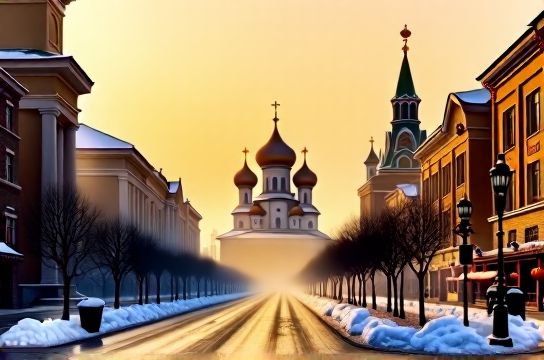
Why? Blame it on history. In the early 1900s, Harbin became a hub for the Chinese Eastern Railway, drawing thousands of Russian engineers, architects, and settlers. The result? A skyline that looks more St. Petersburg than Shanghai. As a local travel insider who’s guided over 300 visitors through this icy gem, I’m breaking down the must-see architectural wonders—with real data to back it up.
Top 5 Architectural Highlights in Harbin
Here’s a quick snapshot of the most iconic sites, including their construction era and architectural style:
| Site | Year Built | Style | Visitor Rating (5.0) |
|---|---|---|---|
| Saint Sophia Cathedral | 1907 | Byzantine Revival | 4.8 |
| Central Street (Zhongyang Dajie) | 1898 | European Eclectic | 4.7 |
| Jinlong Tower | 2006 | Modern Chinese | 4.0 |
| Ice and Snow World Structures | Annual | Temporary Ice Art | 4.9 |
| Russian-style Villas in Nangang District | 1910s | Neoclassical & Wooden Chalet | 4.6 |
As you can see, the crowd favorites are deeply rooted in Harbin’s Russian heritage. Saint Sophia Cathedral, once an Orthodox church, now houses a museum showcasing city history—and its golden dome is visible from nearly every angle downtown.
Why Central Street Feels Like Europe
Walking down Zhongyang Dajie is like stepping into a European postcard. Cobblestone paths, German-made granite blocks laid in 1898, and buildings with pastel facades and wrought-iron balconies set the tone. Over 71 original structures remain, and 13 are protected cultural relics.
Pro tip: Visit in winter. The street gets lit up during the Harbin International Ice and Snow Festival (late Dec–Feb), attracting over 2 million visitors annually. Yes, it’s cold—average temps hover around -18°C (0°F)—but the glowing ice sculptures and warm indoor cafes make it worth it.
Don’t Miss the Hidden Gems
Beyond the postcard spots, explore the Nangang District for authentic Russian-Chinese fusion homes. Many were built by White Russians fleeing the 1917 Revolution. These villas mix timber framing with Chinese roof elements—a rare blend you won’t find elsewhere.
And while it’s not historic, the annual Ice and Snow World deserves mention. Covering over 600,000 sq ft, it uses 150,000 cubic meters of ice and takes 15,000 workers to build. It’s not permanent architecture, but as a feat of design and engineering? Absolutely iconic.
In short, Harbin isn’t just about ice festivals—it’s a living museum of cross-cultural architecture. Whether you’re into history, photography, or just chasing unique travel vibes, this city delivers.