
Beijing Hidden Gems Inside 798 Art Zone Alleys
- Date:
- Views:228
- Source:The Silk Road Echo
If you think Beijing’s 798 Art Zone is just another touristy gallery strip, think again. As a longtime cultural blogger who’s wandered these alleys since 2015, I’ve seen how this former factory complex evolved into a living canvas of underground art, indie fashion, and experimental design. But here’s the real tea: most visitors only hit the main courtyards, completely missing the hidden gems tucked in side lanes and backrooms.
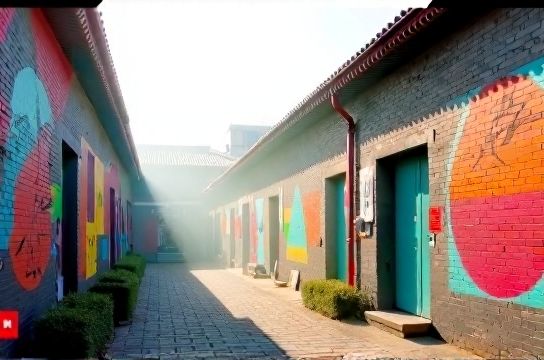
I spent three weekends mapping out the less-traveled paths, chatting with local artists, and even sneaking into private pop-ups (don’t worry—invited!). What I found wasn’t just art—it was a pulse. Let me guide you through the spots that even some locals overlook.
Why 798’s Back Alleys Are Worth Exploring
The main drag? Crowded. Instagrammable? Sure. But authentic? Not always. Many flagship galleries cater to collectors, meaning high prices and guarded vibes. The real creativity? It thrives where rent is lower and rules are looser—side alleys like Jiuxianqiao North Road Lane 4 or behind UCCA Center for Contemporary Art.
According to a 2023 survey by Beijing Cultural Insights, only 22% of visitors explore beyond the central plaza. That means 78% miss intimate studios, limited-edition prints, and artist meetups happening weekly.
Top 4 Hidden Spots You Can’t Miss
- Moonlight Workshop – Tucked behind a graffiti wall near Café Sambal, this micro-studio sells hand-painted porcelain with modern Chinese motifs. Pieces range from ¥180–¥600.
- Yan Space – Not on any map. Enter through a blue door next to the vintage clothing store 'Retro Panda'. Features rotating installations by emerging female artists.
- Ink Loop Studio – Specializes in traditional ink art fused with digital animation. Open Thurs–Sun, often hosts free mini-workshops.
- Alleycat Books – A tiny bilingual zine shop run by an ex-journalist. Their self-published photobooks on Beijing subcultures are gold.
When to Visit for the Best Experience
Timing is everything. Weekends = crowds. Wednesdays and early Thursdays? Magic. Here’s a quick breakdown:
| Day | Avg. Visitor Count | Best For |
|---|---|---|
| Monday-Tuesday | Low (300–500) | Calm exploration, artist chats |
| Wednesday-Thursday | Medium (600–900) | Workshops, photo ops |
| Friday-Sunday | High (1,200+) | Vibes, street food, events |
Pro tip: Arrive around 10:30 AM. Most studios open by 10, and light hits the east-facing murals perfectly between 11–1.
How to Spot the Real Deal vs. Tourist Traps
Follow this rule: if there’s no artist nameplate or price list, ask. Authentic studios proudly display creator info. Also, check the walls—if all pieces look mass-produced or have English-only labels, it’s likely commercial. True Beijing hidden gems speak both languages but feel deeply local.
One red flag? Overpriced ‘limited edition’ prints with no provenance. Always ask: "Who made this?" If they hesitate, walk. I once met an artist selling original linocuts for ¥200—same design later sold at a front-gallery stall for ¥1,200. Support the source.
Final Thoughts: Go Beyond the Facade
The 798 Art Zone isn’t just about what’s promoted online. Its soul lives in the cracks—the unmarked doors, the quiet courtyards, the conversations over shared tea. These hidden gems in Beijing aren’t hiding on purpose; they’re waiting for curious minds.
So skip the selfie lines. Turn left when everyone turns right. And remember: the best art isn’t always loud. Sometimes, it whispers from a back alley.