
Beijing Hidden Gems Off the Beaten Path Temple Visits
- Date:
- Views:170
- Source:The Silk Road Echo
Think Beijing is just about the Forbidden City and the Great Wall? Think again. Beyond the tourist hotspots lie quiet courtyards, moss-covered stone steps, and centuries-old temples that whisper stories of emperors, monks, and forgotten dynasties. If you're craving a deeper connection with Beijing's soul, skip the crowds and dive into these hidden gem temples that even many locals stroll past without a second glance.
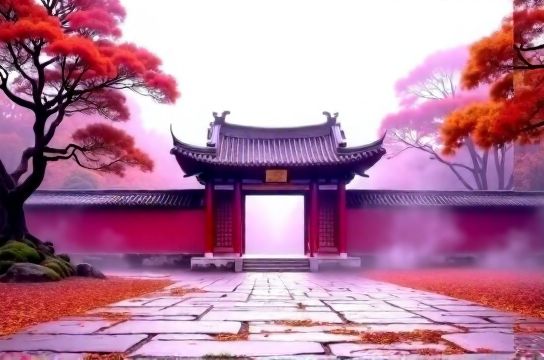
These sacred spots aren’t just peaceful escapes—they’re living pieces of history. We’ve scouted out three underrated temples, complete with visitor stats, travel tips, and why they deserve a spot on your itinerary.
1. Baoyan Temple: The Cliffside Sanctuary
Nestled in the hills of Shijingshan District, Baoyan Temple clings to a limestone cliff like something out of a classical Chinese painting. Built during the Tang Dynasty (618–907 AD), it’s one of Beijing’s oldest surviving Buddhist sites—yet sees fewer than 500 visitors per month. Why? It’s tricky to reach without local know-how.
The temple’s main draw is its thousand-year-old cypress trees and the eerie silence broken only by temple bells. Inside, faded murals tell tales of enlightenment, while the cave shrines house serene Buddha statues carved directly into the rock.
2. Wuda Temple: The Monastery That Time Forgot
Just a 40-minute drive from downtown lies Wuda Temple, tucked away in the Tanzhe Si forest area. Founded in the Jin Dynasty (1115–1234), this temple was once a major center for Zen practice. Today, it’s a quiet retreat where monks still chant at dawn.
What makes Wuda special? Authenticity. Unlike restored showpieces, its cracked wooden beams and uneven tile roofs feel real. Plus, it’s free to enter—yes, really.
3. Longfu Temple: Urban Oasis with Imperial Roots
Hidden behind hutong alleys near Dongsi, Longfu Temple dates back to the Ming Dynasty. Once frequented by imperial scholars, it now serves as a cultural center—but retains its spiritual aura. With delicate roof carvings and a tranquil courtyard, it’s a perfect escape from city chaos.
Here’s a quick comparison to help you choose your next visit:
| Temple | Founded | Monthly Visitors | Entry Fee (CNY) | Best Time to Visit |
|---|---|---|---|---|
| Baoyan Temple | Tang Dynasty (~7th century) | <500 | 30 | Spring (April–May) |
| Wuda Temple | Jin Dynasty (~12th century) | ~800 | Free | Dawn (5–6 AM) |
| Longfu Temple | Ming Dynasty (~14th century) | ~1,200 | 10 | Late Afternoon (3–5 PM) |
Pro tip: Visit on weekdays and arrive early. Weekends bring small crowds, but nothing like the Forbidden City’s rush. Also, wear comfy shoes—these places value atmosphere over accessibility.
In a city racing toward the future, these temples are quiet rebels preserving the past. So next time you’re in Beijing, trade the selfie sticks for serenity. Your soul will thank you.