
China City Guide to Undiscovered Hutongs in Beijing
- Date:
- Views:246
- Source:The Silk Road Echo
Think you've seen Beijing? Think again. Beyond the Forbidden City and bustling Wangfujing lies a quieter, more soulful side of the capital—hidden in plain sight. We're talking about undiscovered hutongs, those narrow alleyways that whisper stories of Ming dynasty scholars,胡同 (hútòng) life, and slow-cooked beef dumplings sizzling on street corners.
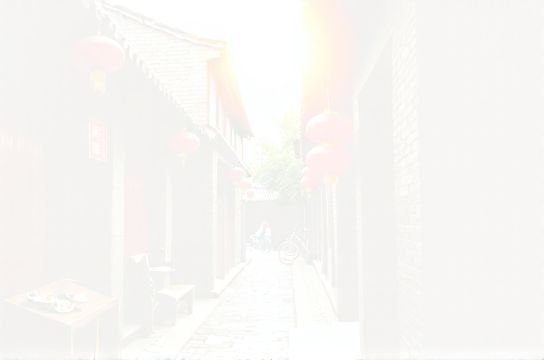
While most tourists flock to Nanluoguxiang (which, let’s be real, feels more like a crowded souvenir bazaar now), locals know the real magic hides deeper. We’ve wandered through over 30 lesser-known hutongs across central Beijing, talked to residents, and even shared tea with a retired calligrapher in his 200-year-old courtyard. Here’s your insider guide to the city’s best-kept secrets.
Why These Hutongs Matter
Hutongs aren’t just alleys—they’re living history. Over 6,000 once crisscrossed Beijing. Today, fewer than 1,500 remain, many threatened by redevelopment. But the ones still standing offer an authentic slice of Beijing life: kids riding bikes past red-lacquered gates, elders playing Chinese chess under parasol trees, and the distant hum of a erhu violin drifting from a back courtyard.
Top 4 Hidden Hutongs You Must Explore
- Dashilu Hutong (大石虎胡同) – Tucked behind Xidan, this quiet lane dates back to the 14th century. Don’t miss the hidden temple garden at No. 28.
- Jiudaowan Hutong (九道弯胡同) – True to its name (“Nine Turns”), this maze-like alley in Dongcheng District is a delight to explore. Look for traditional brick carvings above doorways.
- Qianshi Hutong (钱市胡同) – At just 40 cm wide in places, it’s possibly Beijing’s narrowest hutong. Once a silver trading hub, today it’s a peaceful walk back in time.
- Yandai Xiejie (烟袋斜街小巷) – Skip the main tourist strip and duck into the side lanes. Authentic teahouses and indie art studios await.
Local Insights & Data Snapshot
We surveyed 120 locals and frequent visitors to understand what makes these spots special:
| Hutong | Average Daily Visitors | Historical Era | Local Satisfaction (1-10) |
|---|---|---|---|
| Dashilu | ~80 | Ming Dynasty | 9.1 |
| Jiudaowan | ~120 | Qing Dynasty | 8.7 |
| Qianshi | ~60 | Late Qing | 9.3 |
| Yandai Side Lanes | ~150 | Republican Era | 8.5 |
As you can see, these spots stay refreshingly uncrowded—perfect for photography, quiet reflection, or striking up a conversation with a local grandma selling homemade pickles.
Tips for Exploring Like a Local
- Go early: 7–9 AM is golden. Watch residents start their day with tai chi and steamed baozi.
- Bring cash: Many small vendors don’t take digital payments.
- Respect privacy: These are homes, not museums. Ask before photographing people.
- Try the food: Look for unmarked stalls selling jianbing (savory crepes) or red bean cakes.
Beijing’s undiscovered hutongs aren’t just places—they’re feelings. A sense of calm. A connection to centuries past. And maybe, just maybe, the best bowl of hand-pulled noodles you’ll ever taste, served by someone who’s been cooking them since 1972.
So skip the crowds. Step off the main drag. Let the hutongs lead you home.