
Beijing Hidden Gems Explore the Secret Courtyard Temples
- Date:
- Views:272
- Source:The Silk Road Echo
When most people think of Beijing, they picture the Forbidden City, the Great Wall, or bustling Wangfujing. But beyond the postcard sights lies a quieter, more mystical side of the capital—hidden courtyard temples tucked between hutongs, whispering centuries of history through cracked wooden doors and moss-covered bricks.
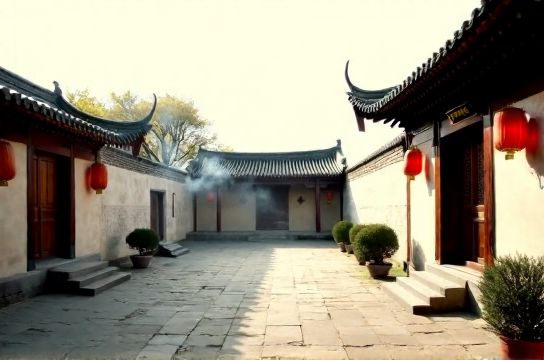
These secret courtyard temples—or siheyuan miao—were once private family shrines or neighborhood spiritual hubs. Many were repurposed during the 20th century, but a handful have quietly re-emerged as cultural sanctuaries, meditation spaces, or even indie cafés with soul.
Let’s uncover three of Beijing’s best-kept temple secrets, complete with visitor insights and a handy data table to plan your pilgrimage.
1. The Moonlit Nunnery (Yueyin An)
Nestled in a narrow alley near Deshengmen, this 17th-century Buddhist nunnery was all but forgotten until 2015, when restoration brought back its gray-tiled roofs and incense-laced courtyards. Today, six nuns live here, chanting at dawn. Visitors are welcome from 9–11am daily—but silence is sacred.
2. Dragon Well Hermitage (Longjing Xiaowu)
Once a Qing-era scholar’s retreat, this temple-cum-teahouse hides behind a plum garden in Haidian District. It’s not officially on any tourist map, but locals know: come for oolong brewed over ancient well water, stay for calligraphy sessions with retired monks. Pro tip: Visit in April when the peonies bloom.
3. Temple of Whispering Willows (Chui Liu Si)
Built in 1687 by a eunuch seeking redemption, this small Taoist site blends seamlessly into a residential hutong near Beihai Park. The main hall still houses a rare painted beam depicting the Eight Immortals. Though unmarked, knock gently on the red door—caretaker Uncle Li often shares stories over jasmine tea.
Why These Temples Matter
According to UNESCO, over 60% of Beijing’s traditional courtyard structures have vanished since 1949. Each surviving temple is a cultural time capsule. They reflect feng shui principles, Ming-Qing architectural harmony, and community-based spirituality often lost in modern megatemples.
As Dr. Lin Mei, heritage researcher at Peking University, puts it: "These spaces aren’t just buildings—they’re quiet acts of resistance against cultural homogenization."
Plan Your Visit: Hidden Temple Guide
| Temple | Location | Best Time to Visit | Entry Fee | Visitor Tips |
|---|---|---|---|---|
| Moonlit Nunnery | Deshengmen Hutong #23 | 9:00–11:00 AM | Free (donation suggested) | No photos inside; dress modestly |
| Dragon Well Hermitage | Haidian, near Peking Univ. | Apr–Jun, 2:00–5:00 PM | ¥30 (includes tea) | Reserve via WeChat @longjingxiawu |
| Whispering Willows | North of Beihai Park | Sep–Nov, 10:00–4:00 | Free | Knock gently; bring a small gift |
Exploring these hidden gems isn’t just sightseeing—it’s slow travel at its most authentic. Leave the crowds behind. Listen to the wind in the courtyard ginkgo trees. Let Beijing surprise you.
For the curious soul, the real magic of the city doesn’t roar—it whispers.