
Beijing Unseen: Discovering Secret Courtyards and Local Life in Hutongs
- Date:
- Views:265
- Source:The Silk Road Echo
When most people think of Beijing, they picture the Forbidden City, the Great Wall, or maybe a packed Tiananmen Square. But slip behind the tourist brochures and you’ll find a quieter, more soulful side of the city — the hutongs. These narrow alleyways, woven through centuries-old neighborhoods, are where old Beijing still breathes.
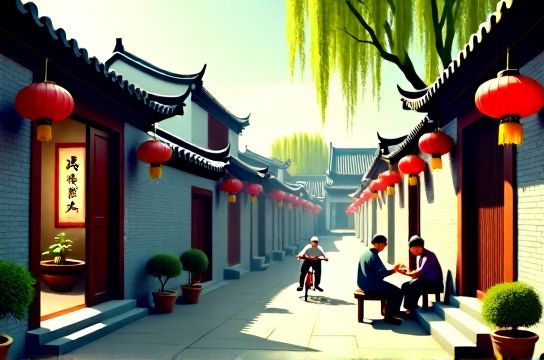
Forget luxury malls and bullet trains for a moment. The real magic happens in hidden courtyards tucked between crumbling brick walls, where grandmas fry jianbing at dawn and uncles debate mahjong strategies over tea. This is local life — raw, rhythmic, and refreshingly real.
The hutongs aren’t just alleys; they’re living time capsules. Built during the Yuan, Ming, and Qing dynasties, these snaking passageways once formed the backbone of imperial Beijing. Today, while skyscrapers rise nearby, many hutongs remain defiantly low-rise, preserving a sense of community you won’t find in any high-rise apartment complex.
Walking through a hutong feels like flipping through a photo album of everyday China. Clotheslines strung between rooftops flap like victory banners. Kids zip by on scooters, dodging chickens (yes, actual chickens!) pecking near doorsteps. An old man tunes his erhu in the shade, its haunting melody curling around the courtyard like morning mist.
But here’s the thing — not all hutongs are created equal. Some, like Nanchangzi Xiang, have been polished for tourists, lined with hip cafés and souvenir stalls. Others stay gloriously untouched. Try exploring the lanes near Shichahai Lake early in the morning. That’s when locals emerge — sweeping steps, boiling water for tea, sharing gossip across fences. It’s intimate. It’s authentic.
And then there are the siheyuan — traditional courtyard homes that sit quietly behind plain wooden doors. Step inside one (some now operate as guesthouses or teahouses), and it’s like entering another world. Symmetrical rooms frame a central open space, where potted plants, stone benches, and sometimes a single peach tree create a peaceful oasis. These homes were designed for family harmony, and you can still feel that energy today.
Of course, change is coming. Gentrification has crept into areas like Dashilar, where boutique hotels now share blocks with elderly residents who’ve lived there for decades. But even with rising rents and modern renovations, the spirit of the hutongs endures. Locals adapt, but they don’t vanish. They wave from doorways. They offer directions with broken English and big smiles.
Want to explore like a local? Ditch the guided bus tours. Rent a bike and wander without GPS. Follow your nose — maybe toward the smell of cumin lamb skewers or freshly steamed baozi. Chat with vendors. Peek into open courtyards (politely, of course). You might get invited for tea. You might not. Either way, you’ll walk away with stories no museum can give you.
Beijing’s hutongs aren’t just relics. They’re rhythms — the heartbeat of a city balancing past and present. So next time you’re in the capital, skip the crowds. Turn down a narrow lane. Listen. Breathe. Let the unseen Beijing reveal itself, one quiet courtyard at a time.