
Shanghai Modern Culture Meets Urban Innovation Trends
- Date:
- Views:203
- Source:The Silk Road Echo
When it comes to China's most vibrant cities, Shanghai doesn't just lead the pack—it is the pack. Blending colonial charm with futuristic skylines, this megacity isn’t just about glitz and glamour. It’s where tradition shakes hands with tomorrow, creating a cultural cocktail that’s equal parts bold, elegant, and wildly innovative.
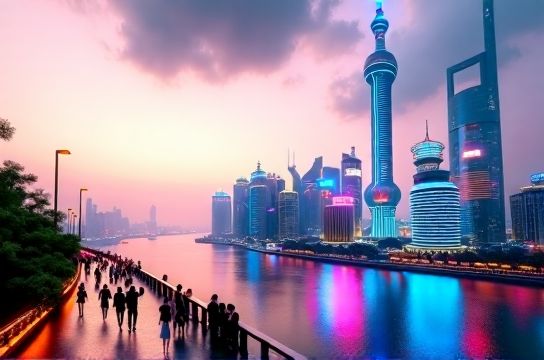
The Pulse of Progress: Why Shanghai Leads Urban Evolution
With over 24 million residents and a GDP exceeding $600 billion (2023 data), Shanghai is not only China’s economic engine but also its cultural laboratory. From AI-powered retail in Xintiandi to blockchain-integrated public services in Lingang New Area, innovation isn’t just happening—it’s being lived.
But what truly sets Shanghai apart? It’s the seamless fusion of old and new. Think: street vendors selling *jianbing* (Chinese crepes) while tourists scan QR codes for AR-guided tours of the Bund. This city doesn’t replace—it reimagines.
Cultural Hotspots Redefined
Let’s talk hotspots. The Power Station of Art, once a functioning power plant, now hosts cutting-edge contemporary exhibitions. Meanwhile, M50—the arts district along Suzhou Creek—has evolved from textile mills into a haven for digital artists experimenting with NFTs and immersive installations.
And then there’s West Bund, dubbed 'Shanghai’s Brooklyn.' With over 18 galleries and performance spaces, it’s become ground zero for creative-tech crossover events. In 2023 alone, West Bund attracted more than 1.2 million art and tech enthusiasts.
Data That Speaks Volumes
Numbers don’t lie. Here’s how Shanghai stacks up in key innovation and culture metrics:
| Metric | Value | Year |
|---|---|---|
| GDP (USD) | $614 billion | <2023>|
| Number of Tech Startups | ~18,500 | <2023>|
| Annual International Visitors | 8.9 million | <2023>|
| Smart City Initiatives Active | 47 | <2023>|
| Cultural & Creative Industry Revenue | $138 billion | <2023>
Living the Future: Daily Life in a Smart Metropolis
Forget sci-fi—this is real life. Shanghai residents use facial recognition to pay for metro rides, order coffee, and even donate blood. Over 95% of transactions are cashless, thanks to Alipay and WeChat Pay dominance.
But beyond convenience, there’s a deeper shift: urban identity. Locals aren’t just adopting tech—they’re shaping it. Community-driven apps like Shanghai Street Stories let users co-create digital walking tours, blending history, humor, and hyperlocal insights.
Why Travelers Love It (And Should Visit Now)
If you're into culture with a side of futurism, Shanghai delivers. Wander through Yu Garden’s classical pavilions, then hop on the Maglev train—still one of the world’s fastest at 430 km/h—to Pudong.
Pro tip: Visit during the Shanghai International Cultural Arts Festival (Oct–Nov) or the Global Tech Week (June). These events showcase exactly why this city is a two-way bridge: bringing global ideas in, sending Chinese innovation out.
In short, Shanghai isn’t just keeping pace with the future—it’s designing it. Whether you're a digital nomad, culture vulture, or urban explorer, this city doesn’t just welcome you. It upgrades you.