
Beijing Hidden Gems Secret Courtyard Temples Revealed
- Date:
- Views:185
- Source:The Silk Road Echo
Think you've seen all of Beijing? Think again. Beyond the Forbidden City and the bustling hutongs, tucked behind unassuming gray walls and narrow alleyways, lie some of the city’s best-kept secrets — hidden courtyard temples. These quiet sanctuaries blend spiritual serenity with architectural elegance, offering a rare glimpse into old Beijing’s soul.
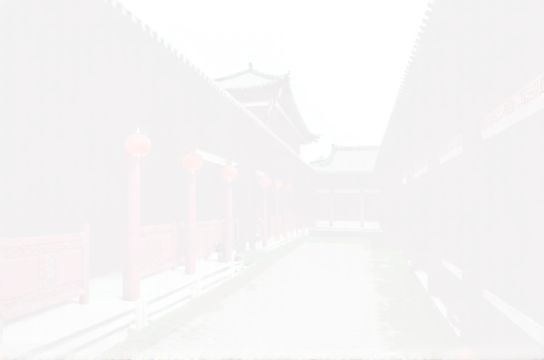
Once private family shrines or neighborhood places of worship, many of these temples were repurposed during the 20th century. But thanks to recent preservation efforts, several have quietly reopened — not as tourist traps, but as peaceful retreats for locals and curious explorers.
The Magic of Courtyard Temples
Unlike grand imperial temples, courtyard temples (sìyuàn miào) are intimate. Built within traditional siheyuan (courtyard homes), they often feature incense-filled halls, weathered stone tablets, and ancient trees shading quiet courtyards. They’re where history whispers, not shouts.
Here are three must-visit hidden gems that even seasoned travelers miss:
1. Longshou Temple (龙首庵)
Nestled in a maze of alleys near Beihai Park, this 400-year-old nunnery was once a Qing-era scholar’s retreat. Rediscovered in 2015, it now hosts meditation sessions and calligraphy workshops. Arrive at 8 a.m. for morning chanting — the sound of sutras echoing through cypress trees is pure magic.
2. Wuying Jingxiu (五英精修院)
Hidden inside a residential compound in Dongcheng, this former Manchu prince’s private temple blends Tibetan and Han styles. Its jade lotus statue, carved in 1732, survived the Cultural Revolution buried under floorboards. Today, visitors can light incense and receive handwritten blessings from resident monks.
3. Cuiyun Nunnery (翠云庵)
Few tourists find this tranquil spot behind Drum Tower. Surrounded by persimmon trees, it’s known for its moon gate and seasonal tea ceremonies. Locals come here to pray for wisdom — students especially before exams.
Why These Temples Matter
These spaces aren’t just relics — they’re living parts of Beijing’s cultural fabric. According to the Beijing Cultural Heritage Office, over 60% of registered courtyard temples were lost between 1950–1980. Today, only 23 remain active, making each one a precious time capsule.
Check out this snapshot of their status:
| Temple | Founded | Style | Status |
|---|---|---|---|
| Longshou Temple | 1623 | Ming Dynasty Buddhist | Open (limited access) |
| Wuying Jingxiu | 1732 | Tibetan-Han Fusion | Active monastery |
| Cuiyun Nunnery | 1588 | Southern Chinese Zen | Open daily |
How to Visit Respectfully
These aren’t theme parks. To honor their spirit:
- Dress modestly — shoulders and knees covered.
- Speak softly. Silence is part of the experience.
- Ask before photographing monks or rituals.
- Donate 10–20 RMB if you attend a ceremony.
Pro tip: Visit on weekdays. Sundays draw small crowds, but Monday mornings? Pure stillness.
Final Thoughts
Beijing’s courtyard temples are more than hidden spots — they’re acts of quiet resistance against time. In a city racing toward the future, these oases preserve grace, memory, and mindfulness. So next time you're in the capital, skip the souvenir stalls. Step through a red door, breathe deep, and let Beijing surprise you — softly.