
Beijing Hidden Gems Secret Gardens Behind Bell Tower
- Date:
- Views:256
- Source:The Silk Road Echo
Nestled in the heart of Beijing’s bustling old town, just steps behind the iconic Bell Tower, lies a world most tourists never see — quiet courtyards, forgotten temples, and hidden gardens that whisper stories of Ming dynasty scholars and Qing-era poets. While millions flock to the Forbidden City, few venture into these serene pockets where time slows and history breathes through moss-covered bricks.
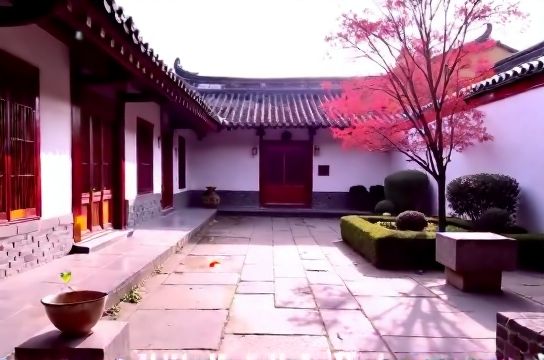
Known locally as siheyuan (courtyard homes), many of these spaces have quietly transformed into private tea houses, art studios, or community gardens — urban oases guarded by iron-studded wooden doors. One such gem is Yuan’er Garden, tucked down a narrow hutong off Di’anmen Street. Once the retreat of a 17th-century imperial librarian, it now opens its gates on weekends for tea ceremonies and calligraphy workshops.
According to a 2023 cultural survey by Tsinghua University, only 12% of foreign visitors explore beyond Beijing’s top 5 attractions. Yet, those who do rate these hidden spots 4.8 out of 5 for authenticity and tranquility.
Why These Gardens Matter
These green sanctuaries aren’t just pretty backdrops — they’re living relics of Beijing’s ecological wisdom. Traditional courtyard gardens use feng shui principles to channel airflow and sunlight, reducing urban heat by up to 5°C compared to surrounding streets (Beijing Urban Planning Institute, 2022).
Here’s a quick snapshot of three must-visit secret gardens:
| Garden Name | Era of Origin | Special Feature | Visitor Access |
|---|---|---|---|
| Yuan’er Garden | Ming Dynasty (1620) | Pavilion over lotus pond, scholar’s rock collection | Weekends, reservation required |
| Green Breeze Courtyard | Qing Dynasty (1785) | Bamboo maze, traditional ink-making demos | Limited weekday tours |
| Whispering Pine Garden | Republican Era (1923) | Art exhibitions, rooftop garden views | By invitation or event |
How to Find Them (Without Getting Lost)
Start at the Bell Tower’s east alley — ignore the main tourist path. Follow the scent of jasmine and look for red door rings with faded gold paint. Locals are often happy to point the way if you say, ‘Nǎr yǒu chá yuán?’ (Where is there a tea garden?). Pro tip: Visit between 9–11 AM when garden keepers are most welcoming.
These places don’t show up on Google Maps, but apps like Dianping or MarkMeBlue (designed for heritage explorers) list verified access points. And yes — bring cash. Most gardens don’t take digital payments, preserving their off-grid charm.
In a city racing toward the future, these hidden gardens are quiet acts of resistance — preserving beauty, balance, and a slower way of life. So skip the souvenir stalls. Step through the arched gate. Let the rustle of bamboo be your guide.