
Follow a China City Guide to Hidden Urban Oases
- Date:
- Views:162
- Source:The Silk Road Echo
Think Chinese cities are all about skyscrapers, neon lights, and non-stop hustle? Think again. Beyond the well-trodden tourist trails of Beijing and Shanghai lie secret urban oases—hidden parks, quiet temple courtyards, and tucked-away tea houses where locals escape the chaos. These serene spots offer a breath of fresh air, literally and figuratively, in some of China’s most vibrant metropolises.
Take Chengdu, for example. While most visitors flock to see pandas, few know about Huanhuaxi Park, a tranquil riverside retreat steeped in poetic history. Once a haunt of Tang Dynasty poets, this 800-acre green lung features willow-lined paths, lotus ponds, and teahouses where old men play mahjong under bamboo canopies. Entry? Just ¥5. Compare that to the Panda Base’s ¥58—and the crowds.
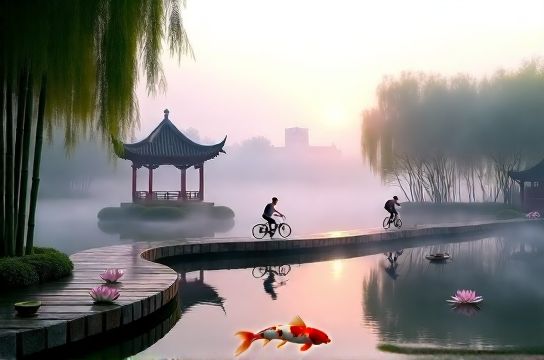
In Hangzhou, everyone raves about West Lake. But locals whisper about Yanggong Causeway, less visited than its famous neighbor Su Causeway. At sunrise, mist floats over the water like silk, and cyclists glide past blooming peach trees. It’s not just pretty—it’s peaceful.
Here’s a quick comparison of these hidden gems versus their famous counterparts:
| Location | Hidden Spot | Famous Alternative | Avg. Daily Visitors | Entry Fee (CNY) | Vibe |
|---|---|---|---|---|---|
| Chengdu | Huanhuaxi Park | Chengdu Research Base | ~2,000 | 5 | Calm, cultural |
| Hangzhou | Yanggong Causeway | Su Causeway | ~3,500 | Free | Tranquil, scenic |
| Beijing | Temple of Azure Clouds (Xiangshan) | The Summer Palace | ~4,000 | 10 | Meditative, forested |
| Shanghai | Pujiang Art Park | The Bund | ~1,800 | Free | Artistic, riverside |
Why do these places stay under the radar? Simple: they’re not plastered across Instagram feeds. No influencers posing with bubble tea in front of Huanhuaxi’s moon gates—yet. But word is spreading.
In Xi’an, skip the Terracotta Warriors’ selfie swarm and head to Qujiang Lakeside Park. This 1,500-acre oasis blends classical Chinese garden design with modern art installations. At dusk, the lake reflects glowing lanterns, creating a dreamy mirror world. Best time to visit? Weekday mornings. You’ll have it nearly to yourself.
And if you're in Guangzhou, ditch the Canton Tower queues and wander through Litchi Bay, a network of canals and ancient alleys where elders practice tai chi beside gurgling streams. It’s like stepping into a 19th-century scroll painting—except someone’s brewing aged pu’er nearby.
These urban escapes aren’t just pretty—they’re essential. Studies show that access to green spaces in cities reduces stress by up to 30% (Source: Journal of Urban Health, 2022). In megacities like Shenzhen, where population density hits 6,000 people per km², finding a quiet bench under a banyan tree isn’t luxury—it’s survival.
So how do you find these spots? Talk to locals. Literally. Ask your hotel concierge, your dumpling vendor, or the woman doing qigong in the park: “Where do *you* go to relax?” More often than not, they’ll smile and name a place not on any tourist map.
China’s soul isn’t just in its landmarks—it’s in the quiet corners where tradition breathes easy. So next time you’re city-hopping, skip the crowds. Follow the sound of rustling bamboo. That’s where the real magic hides.