
Beijing Hidden Gems in Historic Hutongs and Alleys
- Date:
- Views:162
- Source:The Silk Road Echo
Think Beijing is just about the Forbidden City and the Great Wall? Think again. Tucked behind the grand boulevards and modern skyscrapers are Beijing’s hutongs—a labyrinth of ancient alleyways that pulse with history, culture, and a surprising dose of cool.
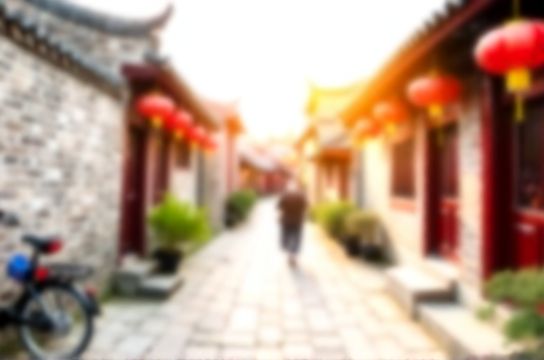
These narrow lanes, once home to emperors’ servants and Qing dynasty scholars, now host indie cafés, hidden courtyards, and local life at its most authentic. If you want to experience Beijing like a true insider, skip the tourist traps and dive into these hidden gems in historic hutongs.
Why Explore Beijing’s Hutongs?
The hutongs date back over 800 years to the Yuan Dynasty. Originally designed around courtyard homes (siheyuan), they formed the social fabric of old Beijing. Today, fewer than 1,000 remain due to urban development—but those that survive offer an intimate glimpse into the city’s soul.
Wander through winding alleys where elders play chess under ginkgo trees, kids zip by on scooters, and steamed bao buns waft from open kitchen windows. This isn’t staged heritage—it’s living history.
Top 4 Hidden Hutong Gems You Can’t Miss
- Bridge Lane (Qiao’er Hutong) – Once overlooked, this quiet alley near Gulou has transformed into a cultural hotspot. Don’t miss Shangxia, a design-forward shop-gallery blending traditional crafts with modern art.
- Dashilu Hutong – Home to one of Beijing’s oldest Confucian temples, this lane feels frozen in time. Visit at dawn when mist curls around red pillars and locals practice tai chi in silence.
- Lingjing Hutong – Once a hub for Buddhist monks, today it hides Temple Bar, a speakeasy-style cocktail lounge behind a nondescript door. Order the ‘Hutong Mule’—it’s legendary.
- Badaoying Hutong – A creative enclave with tiny art studios, vintage bookshops, and Café de Paris, serving French pastries in a 200-year-old courtyard.
Hutong Hotspots at a Glance
| Hutong | Highlight | Best Time to Visit | Local Tip |
|---|---|---|---|
| Qiao’er Hutong | Shangxia Design Shop | Weekday Mornings | Ask about their monthly craft workshops |
| Dashilu Hutong | Ancient Confucian Temple | Sunrise | Bring incense for a symbolic offering |
| Lingjing Hutong | Temple Bar | Evening (7–10 PM) | Knock twice—yes, really |
| Badaoying Hutong | Café de Paris | Weekend Brunch | Try the salted duck tartine |
How to Navigate Like a Local
Forget taxis—rent a bike or use shared bikes (look for HelloBike or Meituan apps). The hutongs are best explored slowly. Download offline maps; GPS can glitch in tight alleys.
Pro tip: Bring cash. Many family-run tea houses and snack stalls don’t accept cards. And always ask before photographing residents—respect goes a long way.
The Future of Beijing’s Hutongs
With preservation efforts growing, some hutongs are being restored rather than razed. Projects like Beijing Courtyard Renewal Program blend modern comforts with historical integrity—think solar panels hidden under gray-tiled roofs.
As UNESCO considers listing Beijing’s hutong network as a World Heritage Site, now is the perfect time to visit—before the crowds catch on.
So lace up your walking shoes, grab a map (or don’t), and let the alleys lead you. In Beijing’s hutongs, every turn holds a story—and you’re now part of it.