
China City Guide Myth-Busting: What Most Blogs Get Wrong About Urban China
- Date:
- Views:185
- Source:The Silk Road Echo
Think you know urban China? Think again. From 'Chinatowns are just like cities in China' to 'everything's cheap', the internet is packed with oversimplified takes on Chinese cities. Let’s bust some myths with real data, local insights, and a little humor.
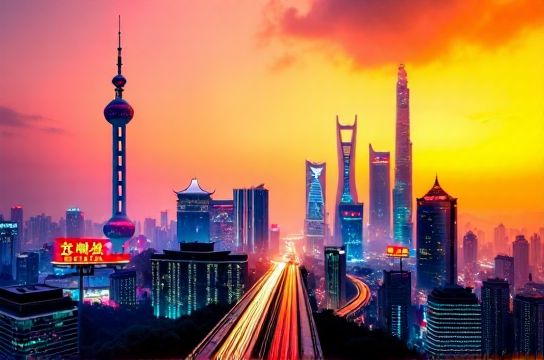
Myth #1: All Big Chinese Cities Are Just Copy-Paste Megalopolises
Sure, Shanghai has skyscrapers, Beijing has hutongs, and Shenzhen is full of tech bros — but that doesn’t mean they’re interchangeable. Each city has its own rhythm, culture, and economic DNA.
Take a look at this comparison:
| City | Population (2023 est.) | GDP per Capita (USD) | Vibe Check |
|---|---|---|---|
| Beijing | 21.8 million | $24,800 | Historic, political, artsy |
| Shanghai | 24.9 million | $27,600 | Glitzy, international, fast-paced |
| Shenzhen | 17.5 million | $30,100 | Tech-driven, youthful, experimental |
| Chengdu | 21.2 million | $18,300 | Laid-back, spicy, panda-approved |
See? Different flavors, different speeds. Chengdu may not have Wall Street energy, but it’s leading in quality of life — ranked #1 in China for livability by the Chinese Academy of Social Sciences.
Myth #2: Public Transit Sucks Outside Tier-1 Cities
Nope. While Beijing and Shanghai boast 20+ metro lines each, don’t sleep on second-tier hubs. Hangzhou’s metro system grew from 3 lines in 2015 to over 12 today. And thanks to Alipay and QR codes, hopping on a bus or subway in Xi’an is easier than ordering coffee in Brooklyn.
In fact, China now has over 10,000 km of urban rail — more than any other country. Even cities like Hefei and Nanning have modern, clean systems that run on time (looking at you, NYC).
Myth #3: Cash Is Dead — Everyone Uses WeChat Pay
Almost true — but not quite. In big cities, going cashless is seamless. But step into a wet market in Guangzhou or a street stall in Kunming, and vendors might still prefer bills. Why? Transaction fees and older shop owners unfamiliar with digital wallets.
A 2023 PBOC report found that while 86% of urban transactions are digital, only 62% of small vendors accept mobile payments regularly. So yes, bring your phone — but stash a few RMB notes just in case.
Myth #4: Air Pollution Makes City Life Unbearable
This one used to be spot-on. But since 2013, China has cut PM2.5 levels by 42% nationwide. Beijing’s average went from 89.5 µg/m³ to 32 µg/m³ — below WHO’s ‘unhealthy’ threshold.
Cities like Dali and Xiamen often hit ‘good’ air quality (AQI < 50). Real-time apps like IQAir keep you updated. Bottom line? Pack a mask if visiting in winter, but don’t cancel your trip over smog fears.
Myth #5: You Can’t Find Authentic Culture in Modern Cities
Wrong. Urban China isn’t all glass towers. Shanghai’s longtang alleyways hide family-run dumpling spots. Guangzhou’s temples buzz with incense and Cantonese opera. And Chengdu’s tea houses? Still the heart of social life.
Even megaprojects respect heritage: Shanghai’s Xintiandi redeveloped shikumen homes into a cultural hotspot without erasing history. The secret? Look beyond the neon.
The Takeaway
Urban China is complex, evolving, and full of surprises. Skip the clichés. Explore beyond the guidebooks. Whether you're sipping boba in Chongqing or biking along Suzhou Creek, the real story is in the details.
Forget what blogs say — experience it yourself.