
Tai Chi
- Date:
- Views:173
- Source:The Silk Road Echo
If you've ever strolled through a peaceful park at sunrise and seen a group moving in slow, graceful harmony, chances are they were practicing Tai Chi—an ancient Chinese martial art that's more than just gentle motion. It's a full-body meditation, a fitness regimen, and a lifestyle all rolled into one.
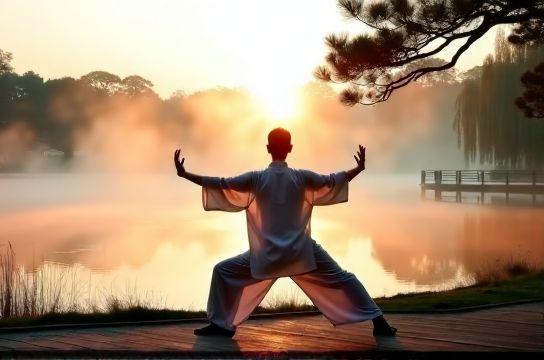
Often called “meditation in motion,” Tai Chi blends deep breathing, mindful awareness, and flowing movements to improve both physical and mental health. And here’s the best part: it’s accessible to almost everyone, regardless of age or fitness level.
Why Tai Chi? The Science-Backed Benefits
You might think such slow movements can’t pack a punch—but research says otherwise. Studies from Harvard Medical School and the American Journal of Health Promotion show regular Tai Chi practice leads to measurable improvements in balance, flexibility, cardiovascular health, and stress reduction.
Here’s a snapshot of what consistent practice can do:
| Benefit | Improvement Rate* | Supported By |
|---|---|---|
| Balance & Fall Prevention | Up to 45% | CDC & NIH |
| Stress & Anxiety Reduction | 30–50% | JAMA Internal Medicine |
| Joint Flexibility (Arthritis Patients) | 40% | Arthritis Foundation |
| Cardiovascular Endurance | Moderate improvement | American Heart Association |
*Varies by frequency and individual condition; average based on 12-week programs.
The Five Major Styles of Tai Chi
Tai Chi isn’t one-size-fits-all. There are five primary styles, each with its own flavor and focus:
- Chen – The oldest form, featuring explosive moves mixed with slow flow.
- Yang – The most popular; smooth, even-paced, great for beginners.
- Wu – Smaller, compact movements with a strong emphasis on posture.
- Sun – Light and agile, ideal for those with mobility concerns.
- Hao – Rare and internal-focused, emphasizing qigong principles.
Getting Started: No Gear, No Gym, Just You
The beauty of Tai Chi? All you need is comfy clothes and 10 square feet of space. Start with the foundational move: Grasp the Sparrow’s Tail, which combines four essential techniques—ward off, roll back, press, and push.
Beginners should aim for 15–20 minutes daily. Apps like Tai Chi for Beginners or YouTube channels such as Dr. Paul Lam offer free, high-quality guided sessions.
Tai Chi vs. Yoga: How Do They Compare?
Both are mind-body practices, but here’s where they differ:
- Movement: Yoga holds static poses; Tai Chi flows continuously.
- Pace: Yoga varies; Tai Chi is consistently slow and rhythmic.
- Focus: Yoga often targets flexibility; Tai Chi emphasizes balance and coordination.
Many practitioners actually combine both for a holistic approach!
Final Thoughts: A Practice for Life
Tai Chi isn’t about quick fixes—it’s about cultivating presence, resilience, and inner calm. Whether you’re 25 or 75, dealing with stress or recovering from injury, this centuries-old art offers something timeless: movement with meaning.
So why not take a breath, step onto the mat, and let your body find its flow? Your mind—and your heart—will thank you.