
Beyond the Wall: Discovering Beijing’s Underground Art Scene
- Date:
- Views:263
- Source:The Silk Road Echo
If you think Beijing is all about Forbidden Palaces and Mao statues, it’s time to dig deeper—way below the surface. Beyond the tourist trails lies a pulsing, rebellious heartbeat: Beijing’s underground art scene. Think graffiti-drenched alleys, indie galleries hidden in hutong courtyards, and experimental music venues where noise rock meets Peking opera samples. This isn’t just art—it’s resistance, rebellion, and raw creativity.
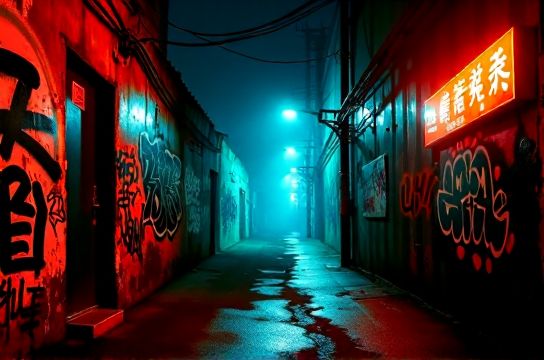
Once home to state-sanctioned socialist realism, China’s capital now hosts a thriving network of unlicensed studios, pop-up exhibitions, and DIY collectives. According to ArtReview Asia, over 60% of Beijing’s contemporary artists operate outside official galleries—many in repurposed industrial zones like 798’s lesser-known cousin, Caochangdi, or the labyrinthine alleys of Dongcheng’s Jiuxianqiao.
The Hotspots You Won’t Find on Didi Maps
Forget the polished halls of UCCA. The real action? It’s in basements, abandoned warehouses, and backroom bars. Check out these underground hubs:
| Venue | Location | Specialty | Entry Fee (CNY) |
|---|---|---|---|
| Arrow Factory | Dongcheng Hutong | Micro-exhibitions in shop fronts | Free |
| Modernista | Caochangdi | Fashion-art fusion | 50–100 |
| Temple Bar | Chaoyang | Live electronic sets + visual art | 80 |
| Split One One | Jiuxianqiao | Experimental sound & poetry | 60 |
These spaces thrive on impermanence—many pop up for just a weekend before vanishing, chased by zoning laws or rising rents. Yet that ephemerality is part of the charm.
Why Go Underground?
Official art spaces require permits, censorship compliance, and political neutrality. Underground venues? They say what they want. A 2023 survey by Beijing Independent Arts Network found that 78% of underground artists address themes like urban alienation, digital surveillance, or environmental decay—topics rarely seen in mainstream shows.
Take artist Li Ran, whose video installation I Am Not a Robot—projected illegally on a warehouse wall in Songzhuang—used AI-generated faces to critique facial recognition. It went viral on WeChat before being taken down in 48 hours. That’s the power of the underground: fast, fearless, and fleeting.
How to Experience It (Without Getting Lost)
- Follow the hashtags: #BeijingUndergroundArt, #DIYBeijing on Xiaohongshu and Weibo.
- Visit during gallery nights: The first Friday of each month, Caochangdi hosts ‘Open Studio’ events.
- Bring cash: Most places don’t take UnionPay, let alone Visa.
- Respect the code: No flash photography, no tagging names online if asked to stay quiet.
Beijing’s underground isn’t just an art scene—it’s a secret society of creators who believe art should challenge, not decorate. So skip the Great Wall selfie. Tonight, the real wall to break is the one between silence and expression.