
Hear Ancient Tales Told Through Chinese Opera
- Date:
- Views:323
- Source:The Silk Road Echo
If you’ve ever been curious about how stories from thousands of years ago still come alive today, Chinese opera is your golden ticket. Forget Hollywood remakes—this is history, drama, and music all rolled into one dazzling performance. As someone who’s sat through Peking, Yue, and Kunqu shows across Beijing to Suzhou, I’m breaking down everything you need to know before diving in.
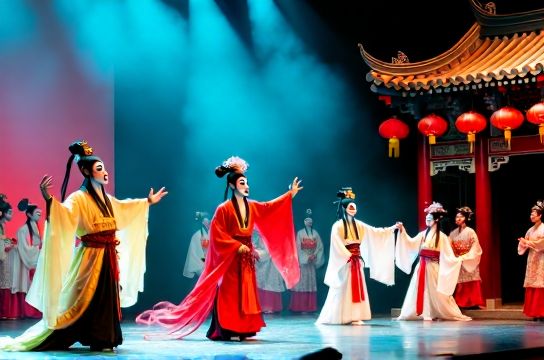
Chinese opera isn’t just singing—it’s a full-body art form combining acrobatics, martial arts, symbolic gestures, and elaborate costumes. There are over 360 regional styles, but the big four are Peking Opera (Beijing), Kunqu (Jiangsu), Yue Opera (Zhejiang), and Sichuan Opera. Each brings its own flavor, tempo, and storytelling style.
Let’s talk numbers: according to China’s Ministry of Culture, over 15,000 troupes perform traditional opera annually, with more than 70 million live attendees nationwide. UNESCO even listed Kunqu as a Masterpiece of the Oral and Intangible Heritage of Humanity back in 2001—proof this isn’t fading anytime soon.
Which Style Should You Watch?
Not all operas are created equal—especially when you’re new. Here’s a quick breakdown:
| Opera Type | Region | Vocal Style | Best For |
|---|---|---|---|
| Peking Opera | Beijing/North | Sharp, percussive | History & war tales |
| Kunqu Opera | Jiangsu/South | Soft, melodic | Romance & poetry |
| Yue Opera | Zhejiang | Lyrical, emotional | Feminine leads, love stories |
| Sichuan Opera | Sichuan | Fast-paced, varied | Face-changing stunts |
Pro tip: If it’s your first time, go for Sichuan Opera—those face-changing acts will blow your mind. Performers switch masks in under a second, each color symbolizing emotion (red = loyalty, white = treachery). It’s like magic, but real.
Timing matters too. Most full-length shows run 2–3 hours, but tourist-friendly versions last 60–90 minutes and include English subtitles. Big venues like the Sichuan Opera Theater in Chengdu or Tianchan Theatre in Shanghai offer nightly performances tailored for international guests.
Want the real deal? Visit during the Spring Festival or Mid-Autumn Festival. Rural villages host open-air stages where elders chant along and kids mimic the moves. That’s cultural immersion.
Bottom line: Whether you're into ancient legends or just crave something beyond the usual city tour, Chinese opera delivers. Don’t sleep on it—book a show, grab some baozi, and let the ancestors tell their stories.