
Nature Walks in Pristine Chinese Mountain Regions
- Date:
- Views:258
- Source:The Silk Road Echo
If you're craving fresh air, jaw-dropping views, and a true escape from city life, then nature walks in pristine Chinese mountain regions should be at the top of your bucket list. As someone who’s trekked through over 20 mountain zones across China—from the misty peaks of Huangshan to the wild trails of Yunnan’s Haba Snow Mountain—I can confidently say: few places on Earth offer such diverse, untouched beauty.
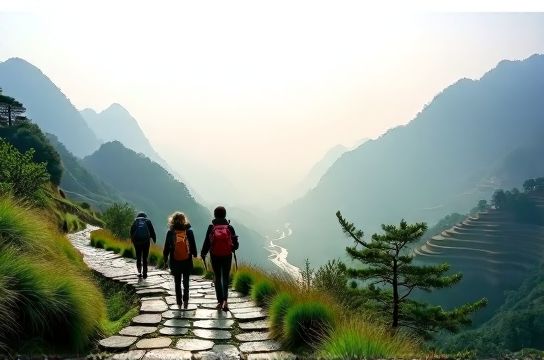
China isn’t just about megacities and high-speed rails—its remote highlands are home to ancient forests, rare wildlife, and trails that feel like they’ve been carved by time itself. Whether you’re a seasoned hiker or just looking for a peaceful day walk, these mountains deliver.
Why Choose Chinese Mountains for Nature Walks?
Biodiversity? Check. Scenery? Double check. Accessibility? Surprisingly, yes. Thanks to improved eco-tourism infrastructure, many once-remote areas now welcome responsible travelers. Plus, with UNESCO sites and national parks increasingly protected, you’re not just exploring—you’re helping preserve them.
Let’s break down some top-tier destinations based on trail difficulty, scenery, and visitor data from 2023:
| Mountain Region | Avg. Elevation (m) | Best Season | Trail Difficulty | Annual Visitors (2023) |
|---|---|---|---|---|
| Huangshan, Anhui | 1,864 | Spring & Autumn | Moderate | 3.2 million |
| Jiuzhaigou, Sichuan | 3,100 | Autumn | Easy to Moderate | 2.1 million |
| Meili Snow Mountain, Yunnan | 6,740 | Spring & Autumn | Challenging | 480,000 |
| Haba Snow Mountain, Yunnan | 5,396 | Spring | Hard | 120,000 |
As you can see, nature walks in China's mountain regions vary widely in intensity and crowd levels. While Huangshan draws the masses, places like Meili and Haba remain relatively secluded—perfect if you want solitude with your summit views.
Tips for a Safe & Rewarding Experience
- Acclimatize properly – Altitude sickness is real, especially above 3,000 meters. Spend a day at mid-elevation before ascending.
- Go guided for remote trails – In areas like Yading or Kawa Karpo, local guides aren’t just helpful—they’re often required and deeply knowledgeable about sacred lands and weather patterns.
- Pack light but smart – A rain shell, sunscreen, water purifier, and snacks go a long way. Trust me, I learned the hard way during a sudden hailstorm on Haba Snow Mountain.
Also, respect local customs. Many of these mountains are spiritually significant to Tibetan, Naxi, or Yi communities. Stay on marked paths, avoid loud noises, and never remove natural objects.
In short, if you're after raw nature, cultural depth, and trails that challenge both body and soul, look no further. The mountains of China aren’t just scenic—they’re sacred.