
Photographing Daily Life in Rural Chinese Townships
- Date:
- Views:273
- Source:The Silk Road Echo
If you're into street photography or cultural storytelling, photographing daily life in rural Chinese townships offers a goldmine of authentic moments. Forget the crowded tourist spots—real China unfolds in its quiet villages, where morning markets buzz with energy and elders sip tea on bamboo stools like it’s 1985.
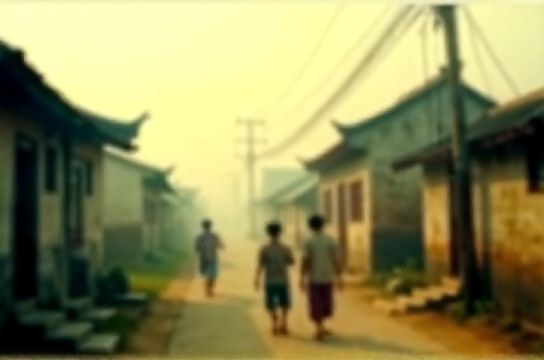
I’ve spent over three years traveling through Yunnan, Guizhou, and Sichuan, camera in hand, learning how to capture these fleeting scenes respectfully and effectively. Here’s what works—and what doesn’t.
Best Times & Seasons for Rural Photography
Morning light is magic—literally. Between 6:30–8:30 AM, the soft glow enhances textures without harsh shadows. Also, that’s when locals are most active: selling produce, herding livestock, or heading to school.
Season-wise, spring (March–May) and autumn (September–November) deliver clear skies and vibrant colors. Avoid summer downpours and winter fog unless you’re chasing moody atmospherics.
| Season | Light Quality | Cultural Events | Recommended? |
|---|---|---|---|
| Spring | Soft, golden | Ploughing Festivals | ✅ Yes |
| Summer | Harsh midday | Dragon Boat Festival | ⚠️ Rain risk |
| Autumn | Crisp, clear | Huangguoshu Harvest | ✅ Best |
| Winter | Flat, short days | Chinese New Year | 🎯 Niche |
Essential Gear Without Going Overboard
You don’t need a $5,000 setup. A lightweight mirrorless (like Sony a7C) with a 35mm prime lens keeps you agile and less intimidating. I always carry a small notebook—writing down names or asking permission in basic Mandarin (nǐ hǎo, kěyǐ pāi zhào ma?) builds trust fast.
Ethics First: Respect > Shots
This isn’t Instagram bait. These are people’s lives. If someone waves you off, smile and move on. Better yet, return the favor—print a few photos later and mail them back via local post offices. Many villagers appreciate this gesture deeply.
For deeper immersion, partner with local guides. In rural Chinese townships, many now offer photo-walking tours (cost: ~¥200/day). They help navigate language gaps and open doors to family homes or temple rituals.
Editing With Authenticity
Keep edits natural. Over-saturated ‘National Geographic’ looks? Skip it. Use Lightroom presets that enhance contrast subtly while preserving skin tones and fabric details. Aim for warmth—not drama.
One pro tip: shoot in RAW + JPEG. JPEGs let you share same-day previews with subjects—a powerful connection tool.
Ultimately, success in documentary photography in China’s countryside isn’t about gear or filters. It’s patience, presence, and purpose. Show up humbly, and the stories will find you.