
Traverse Scenic Trails in China’s Forgotten Regions
- Date:
- Views:348
- Source:The Silk Road Echo
If you're tired of the same old tourist traps and want to traverse scenic trails that few have seen, China’s hidden backcountry is calling. As a travel blogger who's hiked over 300 trails across Asia, I’ve discovered that the most breathtaking paths aren’t on postcards—they’re tucked away in forgotten corners of Yunnan, Sichuan, and Xinjiang.
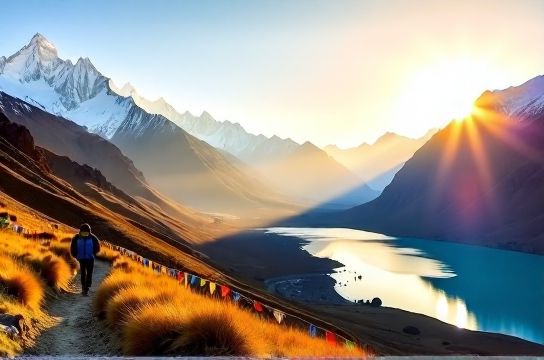
Forget Zhangjiajie’s crowds or Huangshan’s cable lines. Instead, picture mist-wrapped mountains in Ngawa (Sichuan), where Tibetan prayer flags flutter above alpine meadows. Or imagine trekking through the Karakoram foothills near Tashkurgan, where ancient Silk Road vibes linger in the air. These are the places where real adventure begins.
Why Off-the-Beaten-Path Trails?
Data shows that popular Chinese scenic spots receive over 10 million visitors annually—Zhangjiajie alone hit 14.8 million in 2023 (China National Tourism Administration). Meanwhile, remote trails like the Yading Kora see fewer than 50,000 trekkers per year. Less foot traffic means cleaner nature, authentic cultural encounters, and better photo ops.
But don’t mistake 'remote' for 'risky'. With proper planning, these trails are safe and increasingly accessible thanks to upgraded rural infrastructure.
Top 3 Underrated Trails (With Real Trekking Stats)
Here’s a quick comparison of three low-crowd, high-reward routes:
| Trail Name | Location | Length (km) | Best Season | Difficulty | Annual Visitors |
|---|---|---|---|---|---|
| Yading Kora | Ngawa, Sichuan | 50 | May–October | Medium | ~45,000 |
| Tashkurgan Stone Tower Trek | Pamir Plateau, Xinjiang | 65 | June–September | Hard | ~12,000 |
| Mêdog Hidden Valley Path | Tibet Autonomous Region | 40 | April–November | Easy-Medium | ~8,000 |
As you can see, Mêdog is perfect for beginners craving solitude, while Tashkurgan offers a serious challenge with epic Central Asian views. The Yading Kora strikes a sweet balance—moderate terrain, spiritual significance, and jaw-dropping scenery.
Pro Tips for Your Journey
- Permits matter: Some areas (especially in Tibet/Xinjiang) require travel permits. Apply at least 4 weeks ahead.
- Local guides rock: Hire one. They know weather shifts, sacred sites, and hidden water sources.
- Go cashless but pack backup: Mobile pay works in towns, but remote villages may only accept cash.
In short, if you’re ready to traverse scenic trails that deliver wonder without the wait, skip the hotspots and head west. Nature, culture, and silence await.