
Untamed Landscapes: Exploring Gansu’s Little-Known Canyons and Valleys
- Date:
- Views:205
- Source:The Silk Road Echo
Think China’s wilderness ends at Tibet or Yunnan? Think again. Tucked between the Gobi Desert and the Tibetan Plateau, Gansu Province is a cinematic stretch of raw, untamed beauty — where wind-carved canyons plunge into silence and ancient valleys whisper forgotten Silk Road tales. This isn’t your average tourist trail; this is adventure for those who crave solitude, geology, and soul-stirring vistas.
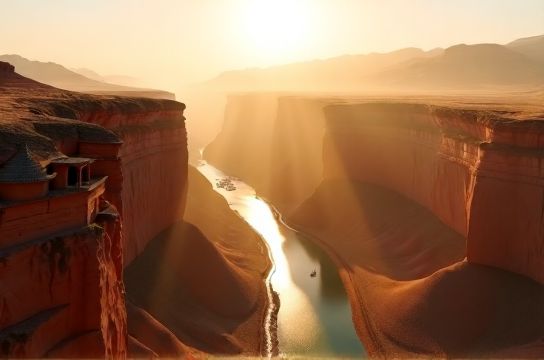
While Zhangye Danxia steals headlines with its rainbow hills, Gansu’s true gems lie deeper — in remote canyons like Binglingsi Gorge and the lesser-trodden reaches of the Tao River Valley. These places don’t just impress; they transform.
The Hidden Wonders: Why Gansu?
Gansu stretches over 1,600 km from east to west, forming China’s geographic bridge. Its diverse terrain — from alpine meadows to arid badlands — results from tectonic drama and millennia of erosion. What you get is a geological buffet:
- Red sandstone cliffs shaped by wind and water
- Deep river gorges carved by the Yellow River tributaries
- Ancient Buddhist cave temples clinging to canyon walls
Yet, visitation remains low. In 2023, Zhangye welcomed around 4 million tourists — impressive, but nearby Bingling Temple Grottoes saw fewer than 300,000. That means space to breathe, photograph, and wander without crowds.
Top 3 Underrated Spots in Gansu’s Wild Heart
| Location | Distance from Lanzhou | Best Time to Visit | Unique Feature |
|---|---|---|---|
| Binglingsi Gorge | 130 km | May–September | 1,800-year-old cliffside caves |
| Tao River Valley | 220 km | June–August | Pristine highland scenery, Tibetan culture |
| Huangyang River Canyon | 90 km | April–October | Rare red-rock formations, hiking trails |
Binglingsi isn’t just scenic — it’s spiritual. Accessible only by boat across Liujiaxia Reservoir, the journey feels like entering a secret world. Once there, hike narrow paths past 200+ cave shrines dating back to the Western Jin Dynasty. The main Buddha statue? Carved in 420 AD and still radiating calm.
The Tao River Valley, meanwhile, offers lush contrast — green meadows, grazing yaks, and the scent of wild thyme. It’s perfect for trekking or cultural immersion with local Tibetan communities.
Travel Tips for the Bold
This isn’t urban China. Prepare accordingly:
- Bring cash — many areas lack ATMs or mobile payment
- Rent a 4x4 or hire a local driver; roads can be rough
- Pack layers — temperatures swing 20°C between day and night
- Respect sacred sites: no drones near temples, quiet voices
And timing matters. Spring (April–May) brings wildflowers; autumn (Sept–Oct) gives golden light and fewer rains. Summer’s warm but ideal for valley hikes.
Gansu’s wild landscapes aren’t just seen — they’re felt. Whether you’re tracing Silk Road echoes in a silent canyon or watching dawn ignite red cliffs, this is travel that lingers long after you leave.