
Innovative Minds Shaping China's Smart Cities Future
- Date:
- Views:240
- Source:The Silk Road Echo
If you're trying to wrap your head around how smart cities in China are evolving at lightning speed, you’re not alone. As a tech blogger who’s been tracking urban innovation for years, let me break it down — no jargon, just real insights backed by data.
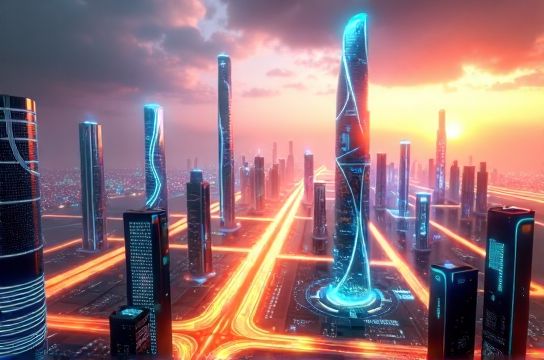
China isn’t just building smarter cities — it’s redefining what urban life can look like. From AI-powered traffic systems to facial recognition for public services, the transformation is massive. But what really drives this change? It’s not just government funding (though that helps). The real game-changer? A new wave of innovative urban technologists blending data science, IoT, and citizen-focused design.
Take Shanghai and Shenzhen as examples. These cities lead in digital infrastructure, but their approaches differ — and that’s where things get interesting.
Shanghai vs. Shenzhen: A Data-Driven Comparison
Here’s a snapshot of key smart city metrics:
| City | 5G Base Stations (2023) | AI Traffic Cameras | Digital Service Adoption (%) | Smart Grid Coverage |
|---|---|---|---|---|
| Shanghai | 78,000 | 16,500 | 92% | 88% |
| Shenzhen | 91,200 | 12,300 | 96% | 94% |
As you can see, Shenzhen leads in connectivity, while Shanghai focuses on surveillance-integrated mobility. Both models work — but for different urban challenges.
The secret sauce? Collaboration between local governments and private tech giants like Huawei and Alibaba. In fact, Huawei alone powers over 150 smart city projects across China, according to IDC 2023 reports.
Why Citizen Experience Matters More Than Tech Specs
It’s easy to geek out over sensors and data pipelines, but the real win is usability. Apps like Shenzhen i-Shenzhen and One-Stop Shanghai let residents pay bills, access healthcare, and report issues — all in one place. User satisfaction? Over 89%, per China Academy of Information and Communications Technology (CAICT).
This brings us to a critical point: the most successful smart cities aren’t the ones with the flashiest gadgets. They’re the ones where technology fades into the background, making daily life smoother. That’s the kind of innovation that sticks.
And if you're wondering whether these models can go global — yes, they already are. Chinese smart city solutions are now deployed in over 40 countries, from Malaysia to Saudi Arabia.
In short, the future of urban living isn’t just about being connected — it’s about being intelligently responsive. Whether you're a policymaker, tech enthusiast, or curious citizen, understanding China’s playbook is essential.