
Chinese Military Leaders Who Defined National Strength
- Date:
- Views:354
- Source:The Silk Road Echo
If you're diving into the history of China’s rise as a global power, you can't ignore the pivotal role played by its most influential military leaders. These are not just generals and strategists — they’re nation-builders whose decisions shaped modern China. From ancient warfare wisdom to 20th-century revolutions, these figures combined tactical brilliance with political vision.
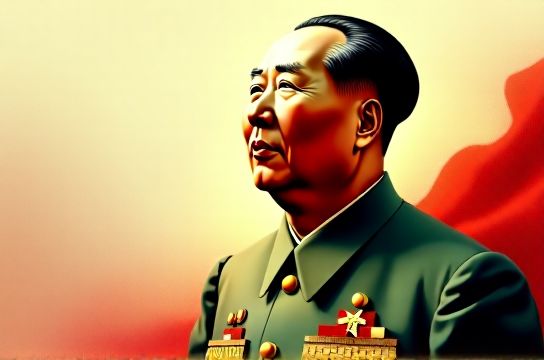
Take Sun Tzu, for example. While he lived over 2,500 years ago, his treatise *The Art of War* remains a cornerstone in both military academies and corporate boardrooms. But beyond philosophy, real transformation began in the 1900s, when China faced internal collapse and foreign invasion. That’s where modern Chinese military leaders stepped in.
Key Figures Who Shaped China's Military Power
- Mao Zedong – Revolutionary strategist and founding father of the People's Republic.
- Zhu De – Chief commander of the Red Army; instrumental in guerrilla warfare success.
- Peng Dehuai – Led Chinese forces in the Korean War, proving China’s combat readiness.
- Xu Xiangqian – Modernized army structure during the Cold War era.
- Lin Biao – Key ideologue who promoted Maoist thought within the military.
Their collective impact wasn’t just battlefield wins — it was about building an institution loyal to the state and capable of defending sovereignty against overwhelming odds.
Comparative Impact: Major Military Campaigns & Outcomes
| Leader | Conflict | Years Active | Troop Size (Peak) | Strategic Outcome |
|---|---|---|---|---|
| Mao Zedong | Long March / Civil War | 1927–1949 | ~1 million | Establishment of PRC |
| Zhu De | Anti-Japanese War | 1937–1945 | 800,000 | National resistance unity |
| Peng Dehuai | Korean War | 1950–1953 | 2.3 million | Stalemate with UN forces |
| Xu Xiangqian | Cold War Reforms | 1955–1978 | N/A | Modernized command structure |
This table shows how each leader operated under different conditions but contributed to a unified goal: national strength through military resilience.
Why Their Legacy Still Matters Today
Modern China’s defense policy — from cyber warfare doctrines to South China Sea strategies — still echoes principles set by these early architects. For instance, Mao’s concept of 'people’s war' has evolved into asymmetric defense tactics used today.
Moreover, the PLA’s current size (~2 million active personnel) and technological push (hypersonic missiles, AI integration) reflect long-term planning rooted in past leadership visions.
In short, understanding these leaders isn’t just about history — it’s key to grasping how China projects power now. Whether you're a student, analyst, or policy enthusiast, studying their strategies offers real insight into one of the world’s most enduring military powers.