
Famous Chinese Figures Who Shaped Ancient History
- Date:
- Views:258
- Source:The Silk Road Echo
If you're diving into the rich tapestry of ancient China, you can't miss the legendary figures who laid the foundation for one of the world’s oldest civilizations. From philosophers to emperors, these famous Chinese figures didn’t just influence their time—they shaped history for centuries.
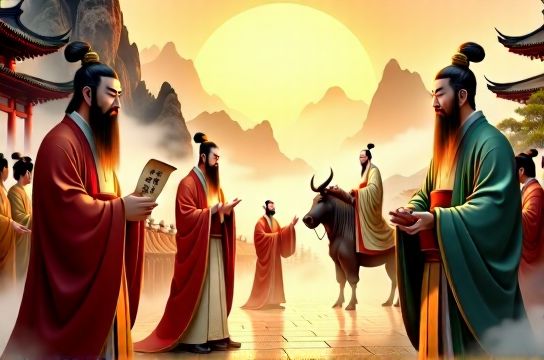
Let’s break down the top influencers of ancient China with real impact, backed by historical records and cultural legacy.
Confucius: The Moral Architect
No list is complete without Confucius (551–479 BCE). His teachings on ethics, family loyalty, and social harmony became the backbone of East Asian thought. Confucianism wasn’t just philosophy—it was state policy for dynasties like the Han and Tang.
Data shows over 2,000 temples dedicated to Confucius across Asia today—a testament to his lasting influence.
Qin Shi Huang: The Unifier
The first emperor of a unified China, Qin Shi Huang (259–210 BCE), didn’t play nice—but he got results. He standardized writing, currency, and measurements. Oh, and he built the early version of the Great Wall.
But here’s the kicker: his reign lasted only 11 years. Yet, his impact? Massive. Check this comparison:
| Leader | Unification Achieved? | Lifespan of Empire | Major Legacy |
|---|---|---|---|
| Qin Shi Huang | Yes | 15 years | Great Wall, Terracotta Army |
| Emperor Wu of Han | Expanded Unity | 200+ years | Spread Confucianism, Silk Road |
| Laozi | No political rule | N/A | Tao Te Ching, Taoism |
As you can see, while Qin’s empire crumbled fast, it lit the fuse for centralized rule in China.
Laozi & Sun Tzu: Minds Behind the Movement
While not rulers, Laozi, the father of Taoism, and Sun Tzu, the war strategist, were intellectual powerhouses. Laozi’s Tao Te Ching has been translated more than any other Chinese text—second only to the Bible in global reach.
Sun Tzu’s The Art of War? Still taught in military academies worldwide. Business leaders use it too. Talk about timeless strategy.
Why These Figures Still Matter
You might wonder: why study them now? Because their ideas live on. Modern Chinese values—respect for elders, emphasis on education, strategic thinking—all trace back to these famous Chinese figures.
Even China’s current governance model echoes Legalist ideas promoted during the Qin Dynasty, blended with Confucian soft power.
So whether you're a history buff, student, or traveler planning a trip to Xi’an, understanding these icons gives you deeper insight than any guidebook.