
Chinese Culture Through the Lives of National Heroes
- Date:
- Views:318
- Source:The Silk Road Echo
If you really want to understand Chinese culture, skip the textbooks for a moment and dive into the lives of China’s national heroes. These aren’t just historical figures—they’re cultural blueprints. From loyalty and sacrifice to resilience and moral courage, their stories shape values that still echo in modern society.
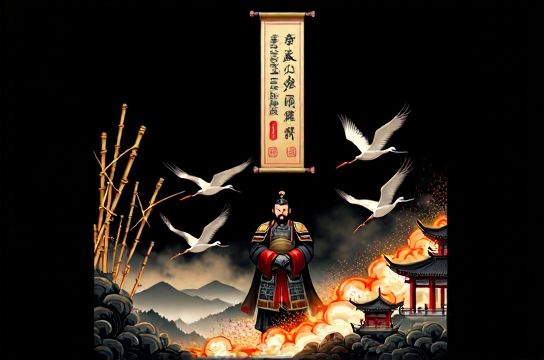
Take Yue Fei, the Song Dynasty general. He’s more than a war hero—he’s the embodiment of zhong (loyalty). Betrayed and executed despite his battlefield victories, Yue Fei’s legacy lives on in temples, school curricula, and even pop culture. According to a 2022 survey by China Youth Daily, over 78% of respondents under 30 could name Yue Fei as a top national symbol—beating out many modern celebrities.
Then there’s Lin Zexu, the Qing official who took on the British opium trade. His 1839 destruction of over 20,000 chests of opium in Humen wasn’t just a political act—it was a bold statement of national dignity. UNESCO later recognized the event as a milestone in global drug control history.
But why do these figures still matter? Because they reflect core values deeply rooted in Chinese thought: duty over self, perseverance through hardship, and moral integrity above all.
Key National Heroes & Their Cultural Impact
| Hero | Era | Key Contribution | Cultural Value Represented |
|---|---|---|---|
| Yue Fei | Song Dynasty | Loyal military defense against invaders | Loyalty (zhong) |
| Lin Zexu | Qing Dynasty | Anti-opium campaign | Righteousness (yi) |
| Huo Yuanjia | Early 20th Century | Founded Chin Woo Athletic Association | National pride & physical discipline |
| Lei Feng | Mao Era | Symbol of selfless service | Altruism (lei feng spirit) |
These aren’t just names in a history book. Walk into any primary school in Beijing or Guangzhou, and you’ll see murals of Lei Feng helping the elderly. Visit Hangzhou, and Yue Fei’s temple draws over 2 million visitors annually—more than some theme parks.
The truth is, Chinese culture isn’t just about festivals or food (though those are great too). It’s carried forward through stories of people who stood for something bigger than themselves. And in a fast-changing world, these figures offer emotional anchors—reminders of identity, purpose, and collective memory.
So next time you’re trying to connect with Chinese audiences—whether in business, education, or storytelling—don’t just translate words. Understand the heroes behind the values. That’s how you truly understand Chinese culture.