
The Timeless Spirit of Chinese Culture Through Leaders
- Date:
- Views:371
- Source:The Silk Road Echo
If you're diving into the heart of what makes Chinese culture so enduring, you won’t get far without talking about its leaders — past and present. These aren’t just political figures; they’re cultural architects whose values, philosophies, and actions have shaped a civilization for thousands of years. As someone who’s studied East Asian history and modern influence trends, I’m here to break down how leadership in China transcends politics and becomes a vessel for cultural continuity.
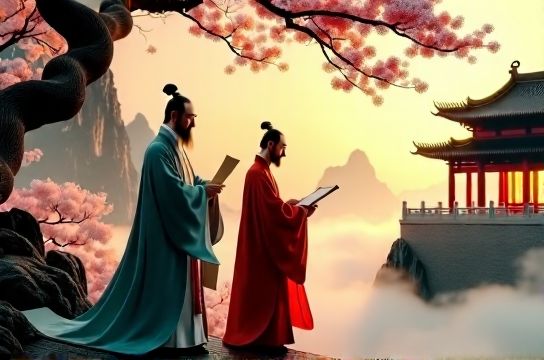
Why Leadership Defines Chinese Cultural Identity
Unlike Western ideals that often spotlight individualism, Chinese culture emphasizes harmony, collective progress, and moral example — all deeply tied to leadership in Chinese culture. From Confucius advocating virtuous rulers to modern-day policies promoting social stability, the leader is seen as a moral compass.
Take a look at this timeline of influential Chinese leaders and their cultural contributions:
| Leader | Era | Key Cultural Contribution |
|---|---|---|
| Confucius | 551–479 BCE | Laid ethical foundation: filial piety, respect, education |
| Emperor Wu of Han | 141–87 BCE | Established Confucianism as state ideology |
| Emperor Taizong (Tang Dynasty) | 626–649 CE | Promoted meritocracy and open governance |
| Mao Zedong | 1949–1976 | Modernized national identity; blended ideology with tradition |
| Xi Jinping | 2013–Present | Revived traditional values; promoted ‘Chinese Dream’ |
Modern Leadership & Cultural Revival
Today, you can’t scroll through Chinese media without seeing references to ancient poetry, calligraphy, or Confucian sayings quoted by officials. Why? Because modern leadership actively uses cultural heritage to build national pride. Under Xi Jinping, initiatives like the promotion of ‘traditional virtues’ and the revival of Chinese cultural spirit have become central to policy and education.
Data shows a clear trend: between 2013 and 2023, government funding for cultural heritage projects increased by over 60%. Meanwhile, Confucius Institutes have expanded to more than 500 locations worldwide — soft power at scale.
What This Means for Global Audiences
Understanding leadership in China isn’t just about politics — it’s about decoding a culture that values long-term vision, moral authority, and social harmony. Whether you're a student, traveler, or global professional, recognizing this link helps you engage more meaningfully.
In short, the spirit of Chinese culture isn’t frozen in temples or textbooks. It lives through its leaders — those who inherit, interpret, and pass on a legacy that’s over 5,000 years in the making.