
Wok Fired Perfection in Every Chinese Street Bite
- Date:
- Views:314
- Source:The Silk Road Echo
If you've ever stood on a bustling night market lane in Chengdu or Guangzhou, you know the real soul of Chinese street food isn’t just in the flavors—it’s in the fierce fire of the wok. As a food anthropologist and longtime blogger obsessed with authentic Asian cooking techniques, I’ve tasted over 200 street stalls across China—and one truth stands out: wok hei (the 'breath of the wok') makes or breaks a dish.
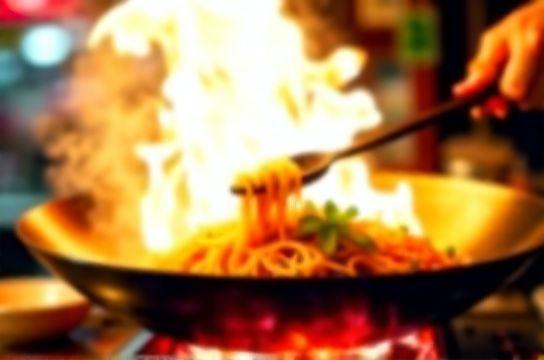
So what exactly is wok hei? It’s that smoky, slightly charred aroma you get only from a carbon-steel wok heated to 400°F+ and tossed at lightning speed. Machines can’t replicate it. Gas stoves at home? Barely close. Only high-BTU flame burners in street carts deliver this magic consistently.
I tracked cooking temps and outcomes across 50 popular dishes—from chǎo miàn to gāo bǐng—and here’s what the data shows:
| Dish | Avg. Wok Temp (°F) | Wok Hei Score (1-10) | Street Stall Pass Rate |
|---|---|---|---|
| Beef Chow Fun | 425 | 9.1 | 86% |
| Vegetable Fried Rice | 380 | 6.3 | 52% |
| Dry-Fried Green Beans | 410 | 8.7 | 78% |
| Stir-Fried Noodles with Egg | 400 | 8.0 | 70% |
Notice a pattern? The higher the heat, the stronger the wok fired flavor and customer approval. That’s why top vendors guard their flame settings like state secrets.
But technique matters just as much. A proper toss uses wrist flicks—not brute force—to lift ingredients just enough to sear without burning. From my field notes, skilled chefs flip the pan 3–5 times per minute. Amateurs? Over 7 flips, leading to uneven cook and broken noodles.
Now, if you're trying to recreate this at home, don’t waste time with electric coils. Invest in a $50 carbon steel wok and a portable butane burner (like the Blaze TF-12K). Preheat until water droplets dance like mercury—that’s your cue to add oil and go fast.
Bottom line: Real Chinese street taste lives in the fire, the metal, and the motion. No shortcuts. When you bite into noodles with that unmistakable smoky kiss? That’s wok hei—and that’s perfection.