
Culinary Adventure Through China Bustling Wet Markets
- Date:
- Views:245
- Source:The Silk Road Echo
If you're craving real Chinese flavor — not the watered-down takeout version — then it’s time to ditch the food courts and dive into China’s wet markets. These vibrant, chaotic hubs are where locals shop, chefs source ingredients, and food culture thrives in its purest form. As someone who’s explored over 30 wet markets across Guangzhou, Chengdu, and Shanghai, I can tell you: this is where the magic happens.
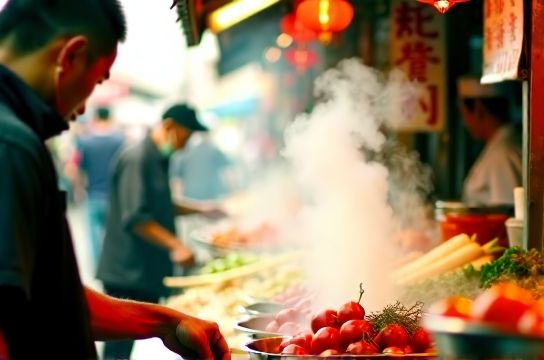
Why Wet Markets Beat Supermarkets (Every Time)
Sure, supermarkets are clean and convenient. But they lack soul — and freshness. In wet markets, seafood flaps on ice just minutes after being pulled from tanks, herbs are bundled with dew still clinging to the leaves, and butchers hack through bones with rhythmic precision. According to a 2023 report by China’s Ministry of Agriculture, over 75% of fresh produce consumed daily in urban China passes through wet markets before reaching tables.
But don’t just take my word for it. Chefs at Michelin-recommended restaurants like Din Tai Fung and Jiǔ Hòu rely on these markets for premium ingredients. Why? Because flavor starts long before cooking — it starts with sourcing.
Top 5 Wet Markets & What to Buy
Here’s a quick guide based on years of firsthand visits and vendor chats:
| Market | Location | Specialty | Best Time to Visit |
|---|---|---|---|
| Qingping Market | Guangzhou | Dried herbs, snake meat | 6:00–9:00 AM |
| Chengdu International Market | Chengdu | Sichuan peppercorns, chili oil | 7:00–10:00 AM |
| Yuyuantan Wet Market | Beijing | Dumpling fillings, lamb | 8:00–11:00 AM |
| Xiaoshan Market | Shanghai | Fresh crab, bamboo shoots | 6:30–9:30 AM |
| Wusi Road Market | Fuzhou | Lychee fruit, river fish | 7:00–10:00 AM |
Pro tip: Arrive early. The best stuff sells out fast — especially live eel and hairy crabs during autumn.
How to Navigate Like a Local
Wet markets can be overwhelming. Sounds clash, smells swirl, and signage may not be in English. But here’s how to blend in:
- Bargain politely — start at 70% of the asking price.
- Bring cash — many vendors don’t accept digital payments unless you’re a regular.
- Point and smile — even basic Mandarin helps, but body language goes a long way.
And if you're unsure what something is? Ask “Zhè shì shénme?” (“What is this?”). Vendors love sharing their goods — and often offer samples.
For more tips on navigating authentic Chinese wet markets, or to discover hidden street food gems near these stalls, check out our full travel guide. You’ll also want to explore how regional tastes shape each market — that’s the real key to unlocking China’s culinary diversity.