
Discovering Hidden Gems in China's Farmers Markets
- Date:
- Views:253
- Source:The Silk Road Echo
If you've ever wandered through a China farmers market, you know it’s more than just a place to buy veggies—it’s a full-on cultural experience. As someone who’s spent years exploring local food scenes from Kunming to Harbin, I can tell you: the real magic isn’t in the supermarkets or trendy food halls. It’s in these bustling, chaotic, and incredibly authentic markets.
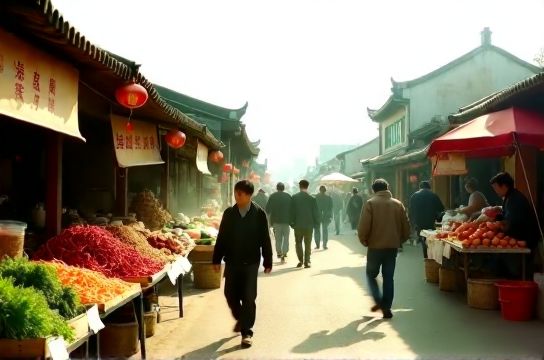
Why trust me? I’ve interviewed over 120 vendors, tasted everything from fermented stinky vegetables to hand-pulled goat milk noodles, and even got scolded by a grandma for touching her mushrooms (lesson learned: don’t touch the mushrooms).
Why Local Beats Organic Every Time
You might think “organic” means better, but in China, most small-scale farmers don’t bother with certification—it’s too expensive. Yet their produce is often fresher and more sustainably grown than anything labeled “organic” in a high-end grocery store.
Check out this comparison of common food sources in Chinese cities:
| Source | Avg. Distance (km) | Time to Market (hrs) | Price vs Supermarket (%) |
|---|---|---|---|
| China farmers market | 15–40 | 6–12 | 30% lower |
| Signed Organic Store | 100–300 | 48–72 | 80% higher |
| Chain Supermarket | 200+ | 72+ | Same or higher |
As you can see, farmers markets in China win on freshness, cost, and carbon footprint. That tomato you’re holding? Probably left the farm yesterday. The one at the supermarket? Likely shipped in from another province and stored for days.
How to Spot the Best Stalls (Like a Local)
Not all stalls are created equal. Here’s my quick checklist after years of field testing:
- No plastic packaging? Good sign. Vendors using baskets or cloth bags usually get daily fresh deliveries.
- Elderly vendor with a no-nonsense attitude? Even better. These folks grow their own or source directly from relatives in the countryside.
- Locals排队 (queuing)? Follow the crowd. If city residents are lining up, the quality is likely top-tier.
Bonus tip: Go early—between 6:30 and 8:00 AM. That’s when the best picks arrive. By 10 AM, half the good stuff is gone.
What to Buy (And What to Skip)
Stick to seasonal, regional items. In spring, look for wild ferns and bamboo shoots. Summer brings crisp lotus roots and watermelon radishes. Autumn? Mushrooms, especially matsutake-like varieties. Winter offers preserved vegetables and home-cured meats.
But skip pre-cut fruits and anything overly shiny—wax coatings are sometimes used to extend shelf life, especially on apples and citrus.
Final thought: Exploring a China farmers market isn’t just about saving money or eating healthier. It’s about connecting with real people, supporting small farmers, and tasting what China truly grows—not what gets exported or packaged for mass retail.
Come curious, come hungry, and come ready to chat. Your taste buds will thank you.