
The Secret Life of Shanghai Laneways: Where Daily Rituals Unfold
- Date:
- Views:218
- Source:The Silk Road Echo
If you've only seen Shanghai through the glossy windows of a Bund-facing café, you're missing half the story. Beyond the neon and skyscrapers lies a quieter, more soulful side of the city — the shikumen laneways, where life unfolds one steamed bun at a time.
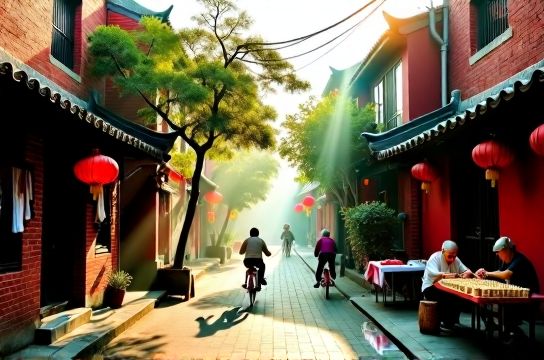
These narrow alleyways, tucked between colonial-era brick houses, are the beating heart of old Shanghai. Once home to millions during the early 20th century, they now blend nostalgia with modernity. Think laundry strung between balconies, grandmas playing mahjong on folding tables, and baristas serving oat lattes from repurposed courtyard homes.
But don’t be fooled by the charm — these lanes are data-rich microcosms of urban life. A 2023 study by Tongji University found that over 68% of residents in Xintiandi’s laneways are aged 55+, while foot traffic spikes to 1,200 visitors per hour on weekends. That’s where tradition meets tourism — sometimes awkwardly, often beautifully.
Why the Laneways Still Matter
They’re not just postcard backdrops. These alleys preserve Shanghai’s social DNA. In a city that rebuilds itself every five years, the laneways offer continuity. Locals still rely on cong you bing (scallion pancake) vendors who’ve operated from the same corner for decades. Community ovens, shared sinks, and open-door policies create a rare urban intimacy.
Laneway Hotspots & What They Tell Us
Not all lanes are created equal. Here’s a quick snapshot of three iconic ones:
| Laneway | Location | Avg. Daily Visitors | Local Resident Ratio | Vibe |
|---|---|---|---|---|
| Tianzifang | Taikoo Hui, Huangpu | 4,500 | 32% | Touristy but artsy |
| Xintiandi | Huangpu District | 6,200 | 28% | Gentrified chic |
| Wukang Road Lanes | Xuhui District | 900 | 76% | Quiet, residential |
As you can see, Wukang Road’s lanes remain the most authentic — a sanctuary for retirees and history buffs. Meanwhile, Xintiandi draws Instagram crowds but has preserved architectural integrity through strict redevelopment rules.
The Hidden Rhythms of Alley Life
Mornings start early. By 6:30 AM, you’ll find elderly residents practicing tai chi in hidden courtyards. By 8 AM, noodle stalls steam up the alley walls. The rhythm slows by midday, then revives with school pickups and evening gossip sessions.
One fascinating ritual? The evening squat — men gathering on tiny stools, barefoot, sipping tea and debating everything from stock markets to soccer. It’s informal, inclusive, and utterly irreplaceable.
How to Experience Them Like a Local
- Go early: 7–9 AM is golden hour for authenticity.
- Bring cash: Many vendors don’t take digital payments.
- Smile, don’t stare: These are homes, not museums.
- Try the street food: Look for queues — they’re the best menu.
The laneways aren’t frozen in time — they’re evolving. But as long as a grandmother yells at her grandson from a third-floor window or a cat naps on a scooter seat, Shanghai’s soul remains intact.