
Savoring Silence: A Monk’s Guide to Chinese Tea Rituals
- Date:
- Views:281
- Source:The Silk Road Echo
Ever sat down with a cup of tea and actually felt the moment? In today’s hustle culture, silence is rare — but in Chinese tea rituals, it’s the main ingredient. For centuries, Buddhist monks have used tea not just to stay awake during meditation, but to deepen awareness, cultivate stillness, and connect with the present. Welcome to Savoring Silence: your no-fluff, soul-soaked guide to the ancient art of Chinese tea ceremony through the eyes of a monk.
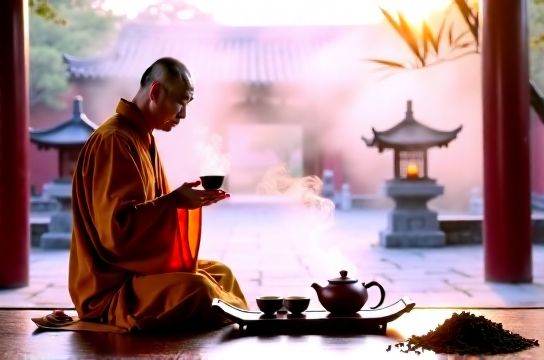
Forget Instagrammable matcha lattes. We’re diving into oolong, pu-erh, and aged white teas — the kind that unfold like slow poetry on your tongue. This isn’t about caffeine; it’s about consciousness.
The Zen of Steeping: More Than Just Hot Water
In monasteries across Fujian and Yunnan, tea is a moving meditation. Monks follow gongfu cha — ‘making tea with skill’ — using small clay pots, precise temperatures, and deliberate movements. Each pour is an act of mindfulness.
Here’s a peek at the core elements of a traditional gongfu setup:
| Tool | Purpose | Material |
|---|---|---|
| Yixing Zisha Pot | Enhances flavor over time | Purple clay (porous) |
| Gaiwan | Allows precise steeping control | Ceramic or porcelain |
| Pitcher (Cha Hai) | Ensures even infusion | Clear glass or ceramic |
| Tea Tray | Catches overflow, part of ritual flow | Bamboo or wood |
Tea as a Spiritual Practice
Monks don’t just drink tea — they listen to it. The sound of water hitting leaves, the curl of steam, the color deepening with each steep. A single session can include 8–10 infusions, each revealing new layers.
Take Tieguanyin, the ‘Iron Goddess of Mercy’. Revered in Buddhist circles, this oolong starts floral, then unfolds earthy and sweet. Studies show its polyphenols may reduce stress markers — no surprise it’s been a monastery staple since the 1700s.
And pu-erh? It’s like drinking history. Aged for years (some for decades!), it’s rich, mellow, and said to calm the mind. One 2021 study found regular pu-erh drinkers reported 30% lower anxiety levels — not magic, just mindful sipping.
How to Brew Like a Monk (Even in Your Apartment)
- Start small: Use a gaiwan or small teapot (150ml max).
- Water matters: Never boiling. 85°C for green/white, 95°C for oolong/pu-erh.
- Rinse the leaves: Pour hot water over tea and discard after 5 seconds — awakens the leaves.
- Steep with intention: First brew: 10 sec. Add 5 sec each time. Breathe between pours.
- Sip in silence: No phone, no noise. Just you, the tea, and the now.
This isn’t about perfection. It’s about presence. As one monk in Hangzhou told me: “The first sip wakes the body. The third, the heart. By the seventh, the world slows down.”
So next time you reach for tea, don’t just drink it — sit with it. Let the silence steep too.