
The Art of Dim Sum: How Cantonese Elders Start Their Day
- Date:
- Views:257
- Source:The Silk Road Echo
If you've ever wandered into a bustling Hong Kong teahouse at sunrise, you’ve probably seen them—silver-haired elders sipping tea, bamboo steamers stacked high, laughing over tiny plates of dumplings. This isn’t just breakfast. This is dim sum, a centuries-old ritual that’s equal parts cuisine, culture, and community.
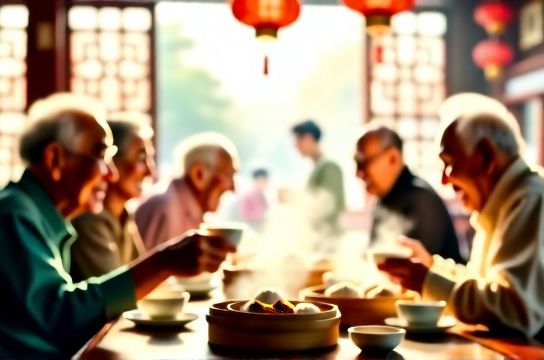
For generations, Cantonese elders have kicked off their mornings with dim sum—a tradition so deeply woven into daily life that it’s less about eating and more about being. But what exactly makes this morning ritual so special? Let’s dive in.
What Is Dim Sum, Really?
The term “dim sum” (點心) literally means “touch the heart.” It refers to a wide array of small, steamed, fried, or baked dishes served in bite-sized portions. Think delicate shrimp har gow, fluffy char siu bao, and silky chicken feet in black bean sauce. These morsels are traditionally enjoyed with Chinese tea—oolong, chrysanthemum, or pu-erh—aiding digestion and enhancing flavor.
But dim sum isn’t just food. It’s a social event. Families gather. Friends reconnect. Elders pass down stories between bites. In Guangzhou and Hong Kong, the ritual often starts as early as 6 a.m. and can last for hours.
Why Elders Love Dim Sum: More Than Just Food
For older Cantonese folks, dim sum is wellness wrapped in wonton wrappers. The slow pace encourages mindfulness. Sharing dishes fosters connection. And many traditional items are surprisingly nutritious—steamed over fried, light on oil, rich in protein and veggies.
In fact, a 2023 study from the University of Hong Kong found that seniors who participate in regular dim sum outings report 30% higher social satisfaction and better mental well-being compared to those who eat alone.
A Taste of Tradition: Must-Try Dim Sum Dishes
Here’s a quick guide to the classics you’ll see on every elder’s table:
| Dish | Description | Calories (per piece) |
|---|---|---|
| Har Gow (Shrimp Dumpling) | Translucent wrapper, juicy filling | 45 |
| Siu Mai (Pork & Shrimp Dumpling) | Open-top, topped with roe | 55 |
| Char Siu Bao (Barbecue Pork Bun) | Fluffy steamed bun, sweet filling | 120 |
| Lo Bak Go (Radish Cake) | Pan-fried rice flour cake with mushrooms | 90 |
| Phoenix Claws (Chicken Feet) | Braised in black bean sauce | 70 |
Pro tip: Order one of each and share. That’s how the elders do it.
The Tea Connection
No dim sum session is complete without tea. Elders believe in “yum cha” (drink tea) as much as dim sum itself. Pouring tea for others is a sign of respect—and tapping the table with two fingers after someone pours for you? That’s a silent ‘thank you,’ rooted in legend.
Final Bite
Dim sum is more than a meal—it’s a lifestyle. For Cantonese elders, it’s a daily dose of joy, connection, and cultural pride. So next time you’re at a dim sum parlor, don’t just eat. Participate. Listen. Share. That’s where the real flavor lies.