
The Poetry of Porridge: Why Congee Is Central to Chinese Morning Rituals
- Date:
- Views:245
- Source:The Silk Road Echo
If you've ever wandered through a bustling morning market in Beijing or caught the soft clink of spoons in a Guangzhou alleyway, you've likely encountered congee—a humble rice porridge that's anything but ordinary. More than just breakfast, congee is a cultural whisper, a warm embrace in a bowl, and a testament to China’s poetic approach to nourishment.
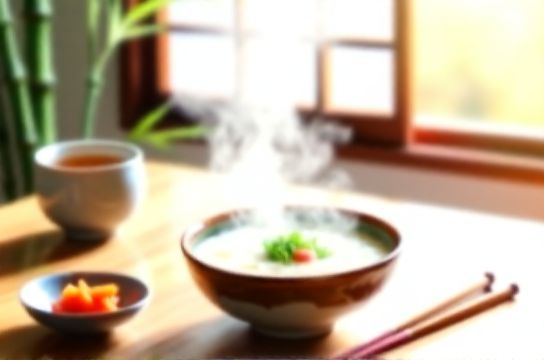
Congee, known as zhou (粥) in Mandarin, has simmered through dynasties, evolving from peasant staple to gourmet delight. Its origins trace back over 2,000 years, mentioned in ancient texts like the Shijing (Book of Songs). Today, it remains a daily ritual for millions, praised not only for its comfort but also for its digestibility and adaptability.
What makes congee so special? It’s all about texture and tradition. Cooked slowly with a high water-to-rice ratio (often 1:8 or higher), the grains break down into a silky, almost ethereal consistency. The result? A blank canvas ready for flavor fireworks.
Regional Twists on a Classic
From north to south, each region puts its own spin on the dish. In Guangdong, you’ll find pea dan zhou—congee topped with century egg and minced pork. Shanghai locals love their congee with youtiao, a crispy fried dough stick perfect for dunking. In Fujian, seafood congee brims with clams and shrimp, reflecting coastal abundance.
| Region | Specialty Congee | Key Ingredients | Texture Profile |
|---|---|---|---|
| Guangdong | Pea Dan Zhou | Century egg, pork, ginger | Creamy, savory |
| Shanghai | Youtiao Zhou | Fried dough, scallions | Light, crunchy contrast |
| Fujian | Haixian Zhou | Clams, shrimp, garlic chives | Brothy, umami-rich |
| Sichuan | La Zhou | Chili oil, preserved vegetables | Spicy, bold |
Beyond taste, congee carries healing energy. Traditional Chinese Medicine (TCM) praises it for strengthening the spleen and aiding digestion. During illness, a plain bowl is often the first food recommended—a gentle reset for the body.
And let’s talk numbers: a typical serving (1 cup) contains around 100–150 calories, mostly from complex carbs, with minimal fat. Add protein-rich toppings, and you’ve got a balanced meal that fuels without weighing you down.
In modern cities, congee bars are popping up like steam from a wok. Chains like Zhen Gong Fu serve artisanal versions with truffle oil or abalone, proving this ancient dish isn’t stuck in the past. Yet, in homes across China, it’s still made the old way—simmered overnight, shared with family, savored in silence.
So next time you rise with the sun, consider starting your day not with toast or smoothies, but with a bowl of congee. It’s not just food. It’s slow living, served hot.