
The Cultural Significance of Tea in China Today
- Date:
- Views:183
- Source:The Silk Road Echo
Let’s be real—when you think of Chinese culture, one of the first things that probably pops into your head is tea. But this isn’t just about sipping a warm drink. In China today, tea is identity, tradition, and even a lifestyle upgrade rolled into one delicate leaf.
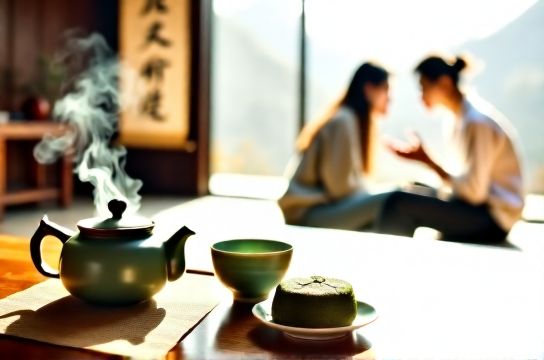
I’ve spent years exploring teahouses from Hangzhou to Chengdu, chatting with masters, and yes—drinking way too much oolong. What I’ve found? The cultural significance of tea in modern China goes far beyond ritual. It’s evolving—fast.
Tea Isn’t Just a Drink—It’s a Social Connector
In bustling cities like Shanghai, young professionals are swapping coffee for aged pu-erh tea. Why? Because tea houses have become the new co-working spaces. A 2023 survey by iResearch showed that over 68% of urban millennials prefer meeting clients at teahouses rather than cafes. Calm environment? Check. No loud espresso machines? Double check.
But it’s not all business. Family gatherings still revolve around a shared pot. Whether it’s green tea during Lunar New Year or chrysanthemum tea in summer, these moments reinforce bonds. As one Beijing grandmother told me: “When we pour tea for each other, we’re pouring respect.”
The Health Boom Driving Tea Popularity
Modern science is giving ancient habits a credibility boost. Studies published in the Chinese Journal of Integrative Medicine confirm that regular consumption of green tea reduces oxidative stress by up to 28%. No wonder health-conscious consumers are making the switch.
Here’s a quick look at the most consumed tea types in China (2023 data):
| Tea Type | Market Share (%) | Avg. Price per 100g (CNY) | Primary Region |
|---|---|---|---|
| Green Tea | 45% | 85 | Zhejiang, Jiangsu |
| Pu-erh Tea | 22% | 120 | Yunnan |
| Oolong Tea | 18% | 105 | Fujian, Guangdong |
| White & Black Tea | 15% | 95 | Fujian, Yunnan |
As you can see, green tea dominates—but pu-erh is gaining serious traction, especially among investors. Rare vintages now trade like fine wine. Some aged bricks have sold for over 50,000 CNY per kilo!
Tea as a Symbol of National Pride
Gone are the days when drinking Starbucks was a status symbol. Now, serving guests high-grade Longjing tea is the ultimate flex. Government campaigns promoting “cultural confidence” have helped revive interest in traditional crafts like hand-roasting tea leaves.
Schools are even adding tea appreciation classes. According to China Daily, more than 1,200 primary schools now include basic tea ceremony training in their curriculum. That’s not just education—it’s cultural preservation.
Final Thoughts: More Than a Beverage
Tea in China today is a living tradition—one that adapts without losing its soul. From wellness trends to national identity, it’s clear that every cup tells a story. So next time you brew a pot, remember: you’re not just drinking tea. You’re participating in centuries of culture.