
Life in a Hutong: Preserving Tradition Amidst Modernization
- Date:
- Views:302
- Source:The Silk Road Echo
Ever wondered what it’s like to live in the beating heart of old Beijing? Not in some high-rise with floor-to-ceiling views, but right in the maze-like hutongs—those narrow alleyways where history whispers from every gray brick and creaky wooden door? Welcome to life in a hutong, where tradition clings to daily routines like morning tea steam.
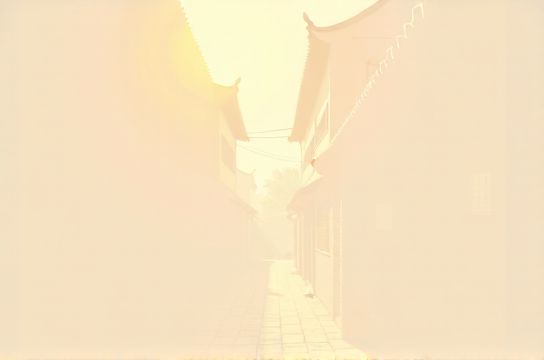
These traditional courtyard neighborhoods, once home to emperors’ servants and scholars, now stand as cultural time capsules amid skyscrapers and subway lines. While modernization sweeps through China at lightning speed, hutongs are fighting to survive—not just as relics, but as living communities.
Take Nanchangzi Hutong in Xicheng District: over 700 years old, yet still buzzing with street vendors, mahjong games under red lanterns, and the scent of jianbing frying at dawn. But here’s the twist: only about 6% of Beijing’s original 3,000+ hutongs remain intact today (Beijing Municipal Commission of Urban Planning, 2023). Gentrification, redevelopment, and shifting lifestyles are quietly erasing centuries of heritage.
Yet, there’s hope. Locals and urban planners are teaming up to preserve these spaces—not by freezing them in time, but by reimagining them sustainably.
The Hutong Lifestyle: Old Meets New
Living in a hutong isn’t just charming—it’s communal. Shared bathrooms, outdoor kitchens, and courtyard chats define the rhythm. No private gyms, but plenty of tai chi at sunrise. Forget DoorDash; breakfast comes from Auntie Li’s steamed bun cart.
But modern comforts? They’re creeping in. Many renovated siheyuan (courtyard homes) now blend solar panels with traditional tile roofs. Some even host boutique cafes or co-working spaces for digital nomads craving authenticity.
| Hutong Feature | Traditional Setup | Modern Adaptation |
|---|---|---|
| Bathroom | Shared public facilities | Private en-suite with eco-toilets |
| Kitchen | Outdoor coal stoves | Indoor gas/electric units |
| Heating | Coal-fired kang beds | Central heating & insulation upgrades |
| Internet | None | Fiber-optic broadband available |
As of 2024, nearly 40% of restored hutong homes include energy-efficient retrofits (China Green Building Council), proving you can honor the past without freezing in winter.
Culture vs. Concrete
The real tension? Balancing preservation with progress. In 2022, a controversial project flattened part of Dongcheng’s historic lane network for a luxury mall. Public backlash followed, sparking petitions and UNESCO attention.
Now, new policies require developers to conserve at least 60% of original structures in designated cultural zones. Grassroots groups like Hutong Guardians offer walking tours and oral history projects, turning residents into storytellers.
In short: hutongs aren’t dying—they’re evolving. And if you visit Beijing, skip the tourist traps. Grab a stool, sip jasmine tea with a local elder, and let the alleyways tell their tale.
Because real culture doesn’t live in museums. It lives in courtyards, shared meals, and the quiet resilience of a way of life refusing to be paved over.