
Tea Time in Hangzhou: How Tea Culture Shapes Daily Life in China
- Date:
- Views:235
- Source:The Silk Road Echo
If you've ever sipped a warm, fragrant brew while gazing over misty hills and serene lakes, then you’ve probably tasted the soul of Hangzhou. Nestled in eastern China’s Zhejiang province, Hangzhou isn’t just famous for West Lake or tech giants like Alibaba—it’s the beating heart of Chinese tea culture. And at its core? Longjing (Dragon Well) green tea.
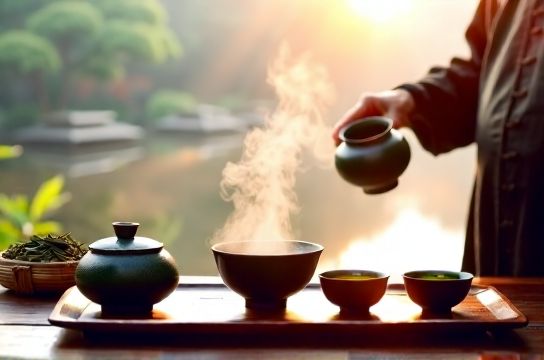
Locals don’t just drink tea—they live it. From morning rituals to business meetings, tea is more than a beverage; it’s a philosophy. In fact, over 85% of Hangzhou households have a daily tea routine, according to a 2023 Zhejiang Cultural Survey.
The Ritual of Tea in Everyday Life
In parks like Huagang Guanyu, you’ll spot elders playing chess with tiny porcelain cups steaming beside them. At family dinners, serving tea to elders is a sign of respect. Even office workers take 'tea breaks' instead of coffee runs. It's not about caffeine—it's about calm, connection, and mindfulness.
Longjing: The Crown Jewel of Green Teas
Grown on the lush slopes of West Lake, authentic Longjing is harvested only once a year—during the Qingming Festival (early April). The leaves are hand-pan-fried within hours of picking, giving them a nutty aroma and smooth finish.
But here's the kicker: Only tea from 168 official villages around West Lake can be labeled “West Lake Longjing.” Fake versions flood markets, so buyers beware. A kilogram of top-tier Longjing can cost up to $1,000 USD—yes, really.
| Tea Grade | Harvest Time | Price per kg (USD) | Flavor Profile |
|---|---|---|---|
| Supreme (Mingqian) | Before Qingming | $800–$1,000 | Nutty, fresh, zero bitterness |
| First Grade | Early April | $400–$600 | Clean, slightly sweet |
| Standard | Late April | $150–$300 | Grassy, mild astringency |
How to Experience Real Tea Culture in Hangzhou
- Visit Meijiawu Village: Sip tea at a family-run plantation and try your hand at frying leaves.
- Tea Houses by West Lake: Places like Chacang offer silent tea ceremonies where every pour is poetry.
- Hangzhou Tea Museum: Located on Longjing Road, it’s the world’s first national tea museum—free and fascinating.
Tea in Hangzhou isn’t performative. It’s lived. It’s quiet mornings, shared silence, and generations passing down the art of presence—one cup at a time.