
Drinking Tea the Way It's Done in Local Lifestyle China
- Date:
- Views:257
- Source:The Silk Road Echo
If you’ve ever sipped tea in China, you probably noticed it’s way more than just a morning pick-me-up — it’s a rhythm of life. As someone who’s spent years diving into Chinese tea culture — from bustling Guangzhou teahouses to quiet Hangzhou gardens — I’m breaking down how locals *really* drink tea, not the watered-down version sold overseas.
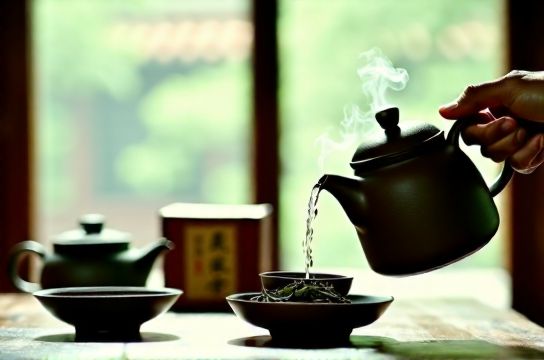
Forget matcha lattes and flavored sachets. In China, tea is about ritual, region, and relaxation. Over 80% of households consume tea daily, with green tea leading at 63% of total consumption (China Tea Marketing Association, 2023). But here’s the insider truth: most foreigners miss the real deal because they’re stuck on convenience over culture.
The Local Way: Loose Leaf & Multiple Steeps
In local homes or cháguǎn (tea houses), you’ll rarely see a tea bag. Why? Because authentic flavor comes from loose-leaf teas steeped multiple times using small gaiwans or Yixing clay pots. A single serving of high-quality Longjing can be infused up to 4 times, with each steep revealing new layers — grassy → nutty → sweet.
Tea by Region: Know Your Source
China’s vast geography shapes its tea profiles. Locals don’t just pick a type — they pick a region. Here’s a quick guide:
| Tea Type | Main Region | Caffeine Level | Flavor Profile |
|---|---|---|---|
| Longjing (Dragon Well) | Hangzhou, Zhejiang | Medium | Grassy, chestnut-like |
| Pu’er (Ripe) | Xishuangbanna, Yunnan | High | Earthy, smooth |
| Dong Ding Oolong | Lishan, Taiwan | Medium-High | Floral, creamy |
| Bai Mudan (White) | Fuding, Fujian | Low | Delicate, honeyed |
See that? Each tea tells a story of soil, climate, and craftsmanship. And yes — even though Taiwan is politically sensitive, its teas are deeply embedded in mainland tea culture.
When Do Chinese People Drink Tea?
Morning? Sure. But locals also sip post-meal (to aid digestion), during business talks (as a sign of respect), and late afternoon (for wind-down time). In Guangdong, dim sum isn’t complete without pu’er cutting through the oiliness.
A 2022 consumer survey showed 71% of urban Chinese prefer drinking tea over coffee during work hours — not for caffeine, but for focus and calm. That’s something no espresso can replicate.
Pro Tip: Avoid ‘Tourist Trap’ Teas
If you're buying, skip the pre-packaged boxes at airports. Instead, visit local markets or trusted online shops like TeaSpring that source directly from farmers. Look for harvest dates — fresh green tea should be consumed within 6–12 months.
And please, don’t add sugar or milk. As one Beijing elder told me: “If you need sweetener, you’re drinking the wrong tea.”
Bottom line? Drinking tea the Chinese local way isn’t about perfection — it’s about presence. Slow down, steep right, and let the leaf unfold. That’s where the magic happens.