
Experience Daily Life in China at a Vibrant Wet Market
- Date:
- Views:250
- Source:The Silk Road Echo
If you've ever wondered how locals in China truly live, skip the tourist traps and head straight to a wet market. These bustling hubs aren't just about fresh produce—they're a full-on sensory immersion into Chinese culture, economy, and community life. As someone who’s spent years exploring food systems across Asia, I can tell you: no trip to China is complete without visiting one.
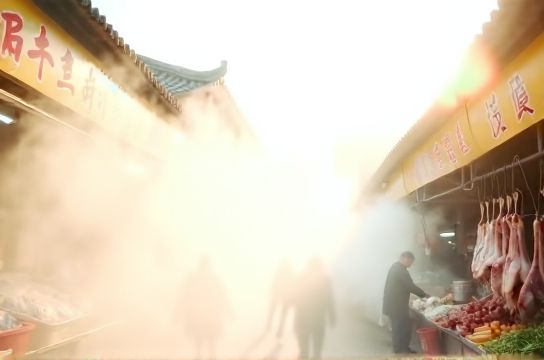
Wet markets are called "wet" because of the constant washing down of floors and stalls—hygiene matters, even in the chaos. Unlike supermarkets, everything here is hyper-local, seasonal, and often cheaper. Think mountains of bok choy, glistening river fish, live poultry (in traditional setups), and medicinal herbs that smell like ancient secrets.
Why Wet Markets Beat Supermarkets
Let’s be real: supermarkets are convenient, but they lack soul. A 2023 study by the China Urban Development Institute found that over 75% of urban Chinese households still visit wet markets at least 3 times a week. Why? Because freshness wins.
| Feature | Wet Market | Supermarket |
|---|---|---|
| Freshness | Same-day harvest or catch | Shipped & stored (1-5 days) |
| Price (per kg avg.) | ¥12–18 | ¥20–30 |
| Local Sourcing | 85%+ | ~40% |
| Customer Interaction | High (bargaining, tips) | Low |
See the difference? You’re not just buying food—you’re building relationships. Vendors remember your face, recommend what’s best each day, and might even toss in an extra chili for free. That’s trust you can’t scan at a checkout counter.
How to Navigate Like a Local
First-timers, don’t panic. Yes, it’s loud. Yes, there are smells. But that’s part of the charm. Go early—between 6:00 and 8:30 AM—for the best selection. Bring small bills, wear comfy shoes, and keep an open mind.
- Produce section: Look for crisp leaves and firm textures. Ask “今天新鲜吗?” (Is this fresh today?)
- Meat & seafood: Trust your nose. If it smells clean, it is. Fish should have clear eyes, not cloudy.
- Bargaining? Not always expected, but polite haggling (5–10% off) works with non-chain vendors.
And don’t miss the street food stalls tucked around the edges. Try jianbing (savory crepes) or steamed buns—often under ¥5 and made while you wait.
Debunking Myths About Hygiene
Post-pandemic, some travelers worry about safety. But modernized wet markets now follow strict sanitation rules. In Shanghai alone, over 90% of registered wet markets have passed government hygiene audits since 2022 (Municipal Health Report). Floors are rinsed hourly, waste is segregated, and many vendors wear gloves and masks.
Compare that to global standards: a WHO 2021 report showed that regulated wet markets pose no higher risk than conventional grocery supply chains when properly managed. So yes, they’re safe—and honestly, more transparent than plastic-wrapped mystery meat.
Final Tips for an Authentic Experience
Come curious, not judgmental. Take photos politely (ask first), try new ingredients, and chat if you can. Many younger vendors speak basic English. And if you're unsure where to start, check out Guangzhou’s Qingping Market or Chengdu’s Jinli Street Market—both iconic and traveler-friendly.
Visiting a wet market isn’t just shopping—it’s stepping into the heartbeat of daily life in China. Once you’ve smelled the ginger, heard the cleavers chop, and tasted fruit picked hours ago, you’ll get why locals wouldn’t trade it for a mall.