
In the Footsteps of Farmers: A Day at a Rural Yunnan Village Market
- Date:
- Views:219
- Source:The Silk Road Echo
If you've ever dreamed of stepping off the beaten path and into a world where time moves with the rhythm of roosters and rice paddies, then a morning in a rural Yunnan village market is your golden ticket. Forget shopping malls—here, life spills onto muddy roads, bamboo baskets brim with mountain greens, and smiles come cheaper than a cup of pu'er tea.
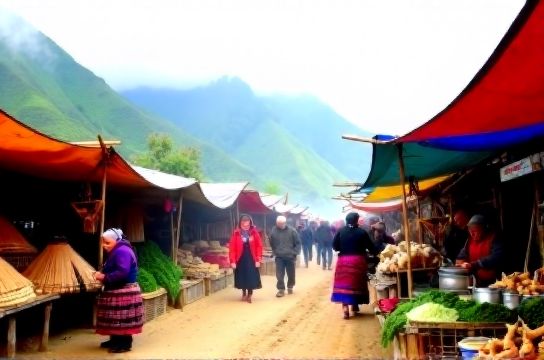
Nestled in China’s lush southwest, Yunnan Province is home to over 25 ethnic minorities, each adding flavor—literally and culturally—to daily life. The village markets, known locally as 'jie' (街), rotate every few days across hamlets, drawing farmers from misty hillsides to trade everything from homegrown turmeric to handwoven indigo cloth.
Start your day at dawn. By 6:30 AM, wooden stalls pop up like mushrooms after rain. You’ll smell it before you see it—woodsmoke, fermenting tofu, and the earthy tang of wild mushrooms. Locals greet each other in Nakhi or Dai dialects, haggling in gestures as much as words.
What makes these markets special? Authenticity. Over 78% of vendors grow or make what they sell (source: Yunnan Rural Development Report, 2023). No mass-produced souvenirs here—just organic vegetables, free-range eggs, and medicinal herbs dug from nearby slopes.
Want a taste? Try chou goujian, a pungent fern shoot stir-fried with chili, or sip warm corn porridge from a clay pot. For the bold, there’s luosifen-style river snail noodles, spiced with local bird’s eye chilies.
Must-Buy Local Goods
| Item | Price Range (CNY) | Origin |
|---|---|---|
| Hand-pounded Rice Noodles | 15–25/kg | Hani Terraces |
| Wild Morel Mushrooms | 800–1,200/kg | Deqin Highlands |
| Homebrew Pu’er Tea Bricks | 60–150 | Xishuangbanna |
| Indigo-Dyed Cotton Scarf | 40–80 | Dai Village Artisans |
Pro tip: Bring small bills. ATMs are rare, and digital payments? Not everyone’s on WeChat Pay yet. Also, wear sturdy shoes—many markets sit on unpaved slopes.
By 11 AM, the crowd thins. Stalls fold like origami, and farmers vanish back into the hills. But if you stay, some invite visitors for a midday meal—a steaming pot of sour fish soup, maybe, shared on a low wooden table.
This isn’t just shopping. It’s storytelling through soil, sweat, and spice. So next time you crave travel with soul, follow the footprints in the red clay. Yunnan’s villages aren’t just surviving—they’re serving up life, one market day at a time.