
Living Like a Local in Suzhou: Canals
- Date:
- Views:275
- Source:The Silk Road Echo
If you've ever dreamed of gliding through ancient waterways beneath willow trees, with teahouses whispering stories of dynasties past, then Suzhou’s canals are your backstage pass to old China. But let’s be real — most tourists just snap photos from stone bridges and call it a day. To truly live like a local, you need to dive deeper — literally and culturally.
The Pulse of the City: Water as Lifeblood
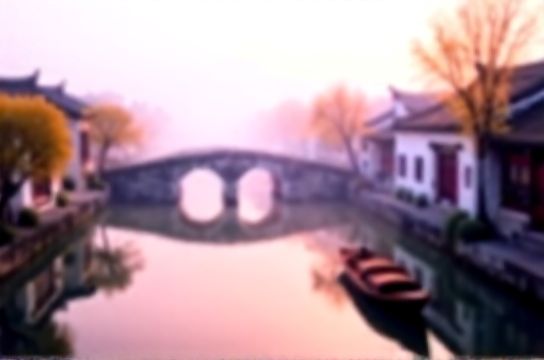
Suzhou isn’t called the 'Venice of the East' for nothing. With over 115 kilometers of canals weaving through its historic districts, water here isn’t just scenic — it’s survival. These channels have moved goods, people, and ideas since the 6th century BC. Today, they still pulse with life: laundry flaps from wooden balconies, vendors paddle by at dawn, and elders practice tai chi along mossy banks.
When to Go? Timing Is Everything
Want to avoid crowds and catch locals in their natural habitat? Skip weekends and holidays. Locals say the magic happens between 6–8 AM. That’s when fishermen cast nets, breakfast boats serve shengjian mantou, and mist curls off the water like silk unraveling.
| Best Time to Visit | Crowd Level | Local Activity Peak |
|---|---|---|
| Early Morning (6–8 AM) | Low | High |
| Late Afternoon (4–6 PM) | Medium | Medium |
| Evening Tour Boats | High | Low |
Secret Spots Only Locals Know
- Pingjiang Road’s Hidden Alleyways: Skip the main strip. Duck into narrow lanes where grandmas sell homemade osmanthus cakes from bamboo trays.
- Xiatang Creek: Just north of the city wall, this quieter canal offers unfiltered daily life — no postcard-perfect facades, just realness.
- Shantang Street at Dusk: Yes, it’s touristy, but stay past 7 PM when tour groups leave and lanterns glow like fireflies.
Ride Like a Resident
Tourist gondola rides cost around 120 RMB for 30 minutes — scenic, but scripted. For authenticity, hop on a local ferry (2 RMB) from Beitaqiao to Wumen Bridge. You’ll ride alongside workers, students, and noodle vendors — all treating the canal like a morning commute.
Eat Where the Water Flows
No guidebook will tell you this: some of the best crab roe dumplings come from a floating kitchen near Chengxiang Bridge. Open only from 7–10 AM, it’s where boatmen fuel up before work. Look for the red lantern and the line of locals.
And don’t miss lupin tofu — a silky soy pudding served cold with ginger syrup, sold from little carts near canal parks. It’s been a summer staple since Ming times.
Final Tip: Slow Down, Soak In
Suzhou teaches a rare lesson: slowness is luxury. Locals sip tea for hours, watching water ripple under carved eaves. Rent a folding stool by the bank, buy a 5 RMB jasmine tea, and just… be. That’s not tourism — that’s transformation.