
Tea Time in Hangzhou: Sipping Longjing Amidst Misty Hills and Daily Rituals
- Date:
- Views:243
- Source:The Silk Road Echo
If you've ever dreamed of sipping tea like an ancient Chinese scholar—surrounded by emerald hills, mist curling over terraced fields, and the soft rustle of bamboo—then Hangzhou is your soul’s caffeine call. This isn’t just tea; it’s Longjing, also known as Dragon Well tea, one of China’s most celebrated green teas, grown right in the mist-kissed mountains west of the city.
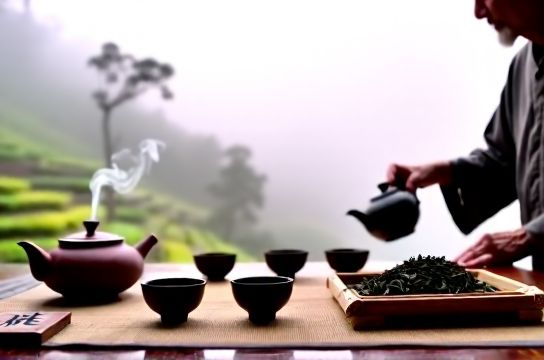
But Hangzhou’s tea culture goes beyond a simple cup. It’s woven into daily life, from grandmas brewing gongfu cha at dawn to tech workers unwinding with a quiet pot after long days. Let’s dive into why tea time here feels less like a habit and more like a spiritual reset.
The Heart of Hangzhou: West Lake & Longjing Village
At the core of this tea tale lies West Lake, a UNESCO World Heritage site that’s equal parts scenic wonder and cultural heartbeat. Just a short taxi ride away sits Meijiawu Tea Village, nestled in the Longjing tea-growing region. Over 90% of China’s premium Longjing comes from here, harvested only once a year—usually late March to early April—during the prized 'pre-Qingming' period.
Why does timing matter? Because earlier leaves are tender, rich in amino acids, and lower in bitterness. The result? A delicate brew with chestnut-like sweetness and a lingering floral finish.
By the Numbers: Longjing at a Glance
| Fact | Data |
|---|---|
| Annual Production (Premium Grade) | ~500 tons |
| Harvest Window | Late March – Early April |
| Price Range (Per 100g) | $30 – $150+ |
| Caffeine Content | ~20mg per cup |
| Antioxidants (EGCG) | High – 70-90mg per serving |
Yes, you read that right—some Longjing can cost more than your lunch. But for connoisseurs, it’s worth every yuan.
Tea Temples & Tiny Ceremonies
Want the full experience? Book a tea-picking tour in Meijiawu or Dragon Well Temple. Locals will hand you a bamboo basket and guide you through plucking the ‘two leaves and a bud’—the gold standard for quality. Afterward, watch as fresh leaves are pan-fired in giant woks to halt oxidation, locking in that vibrant jade color.
Then, sit down for a traditional gongfu cha session. No paper cups here. Think clay teapots, tiny porcelain cups, and slow, mindful pours. Each infusion reveals new layers—first a whisper of grass, then nuttiness, then clean minerality.
Tea Beyond the Tourist Trail
For a local vibe, skip the souvenir shops and head to China National Tea Museum near West Lake. It’s free, serene, and offers live demonstrations. Or grab a seat at a lakeside teahouse like Luguo Teahouse, where retirees play mahjong between sips and poets scribble verses in notebooks.
In Hangzhou, tea isn’t performative—it’s personal. Whether you’re sipping on a hillside or sharing a pot with strangers, it’s a moment of calm in a world moving too fast.
So next time you visit, don’t just see the sights. Taste them. One steaming cup of Longjing at a time.