
What Tourists Miss About Chinese Daily Rhythms
- Date:
- Views:233
- Source:The Silk Road Echo
When most travelers think of China, they picture the Great Wall, panda reserves, or bustling Shanghai skylines. But beneath the postcard scenes lies a rhythm few truly notice — the quiet poetry of daily life that pulses through neighborhoods, markets, and morning tai chi sessions. Let’s pull back the curtain on what tourists often miss: the soul of Chinese daily rhythms.
The Early Bird Catches the Qi
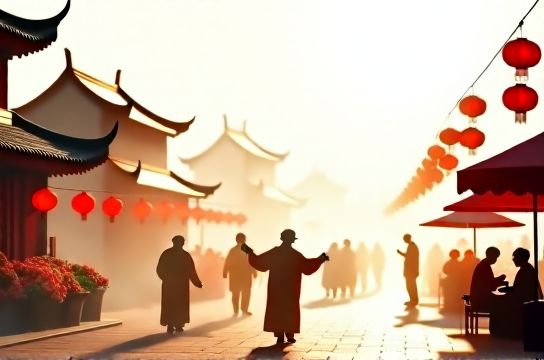
While you're hitting snooze, something magical is happening in parks across Beijing, Chengdu, and Guangzhou. By 6 a.m., locals are out stretching, swaying, and syncing breath with movement. Tai chi isn’t just exercise — it’s meditation in motion, a centuries-old tradition blending martial arts and mindfulness. Over 100 million Chinese practice qigong or tai chi regularly, according to China’s National Sports Bureau.
Nearby, you’ll find aunties dancing in coordinated squads to everything from folk songs to remixes of Jay Chou. Don’t laugh — this is serious social glue. These morning rituals aren’t hobbies; they’re community cornerstones.
Breakfast Like a Emperor (Not a Tourist)
Skip the hotel buffet. Real Chinese breakfast is a savory symphony: steaming jiandui (sesame balls), silky congee, scallion pancakes fresh off the griddle. In Wuhan, locals down re gan mian — spicy, dry noodles mixed with sesame paste — faster than you can say ‘coffee.’
Here’s a taste of regional morning favorites:
| City | Breakfast Staple | Key Ingredient |
|---|---|---|
| Shanghai | Xiaolongbao | Pork & broth |
| Chengdu | Spicy Noodle Soup | Sichuan peppercorns |
| Xi’an | Roujiamo | Slow-braised pork |
| Guangzhou | Dim Sum (Siu Mai) | Shrimp & pork |
Locals eat standing up, squatting on plastic stools, or balancing a bowl while riding an e-bike. Efficiency meets flavor.
The Midday Lull & The Art of Xiaxi
By 1 p.m., many shops close. Employees retreat for xiaxi — a short nap. This isn’t laziness; it’s strategic recharging. Studies show short naps improve cognitive function by up to 35%. While offices go quiet, street vendors thrive, serving quick rice bowls and iced tea.
Sunset Hustle: The Market Pulse
As the sun dips, wet markets explode into action. These aren’t farmers’ markets — they’re sensory overload zones where live fish flop, butchers cleave bones, and grandmas bargain like Wall Street traders. Over 80% of fresh food in China still moves through these traditional markets, not supermarkets.
This is where relationships matter. Regulars get the best cuts. A nod replaces a receipt. Trust is currency.
Nightlife That Isn’t Just Neon
Yes, Shanghai clubs thump till dawn. But elsewhere, evenings unfold differently. In Beijing hutongs, uncles play mahjong under dim lamps, sipping baijiu. Kids chase each other between courtyard homes. In Chengdu, teahouses buzz with laughter and the clack of chess pieces.
These aren’t performances. They’re ordinary moments rich with connection — the kind no tour group schedules.
Why It Matters
Tourism often focuses on 'seeing' China. But to feel it, join the rhythm. Wake early. Wander local alleys. Eat where the queue is longest. Smile at the tai chi master. You won’t just witness culture — you’ll move with it.
China’s true heartbeat isn’t in its landmarks. It’s in the quiet routines, the shared meals, the collective breath of millions living — not performing — their days.