
The Philosophy Behind Simple Meals in China
- Date:
- Views:218
- Source:The Silk Road Echo
In the hustle of modern life, where food trends come and go like fashion seasons, there's something deeply grounding about the Chinese approach to simple meals. It’s not just about eating—it’s a philosophy. Rooted in centuries of tradition, balance, and mindfulness, simple Chinese meals reflect a culture that values harmony over excess.
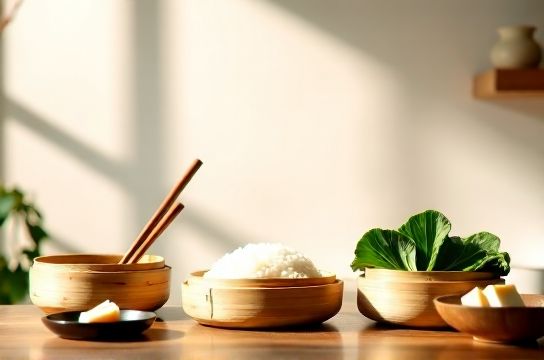
You won’t always find gold-leaf dumplings or flame-kissed Peking duck on every table. Instead, in homes across China, you’ll see steamed rice, stir-fried greens, maybe a small portion of tofu or fish—humble ingredients prepared with care. And yet, this simplicity speaks volumes.
The Wisdom of Less: Why Simplicity Reigns
Chinese culinary philosophy draws heavily from Confucianism and Taoism. Both emphasize moderation, natural order, and living in tune with nature. A meal isn’t meant to impress—it’s meant to nourish. This mindset shapes everything from ingredient selection to cooking methods.
Take the classic home-style dish qingcai (清炒时蔬), or simply stir-fried seasonal vegetables. No fancy sauces, no imported truffles—just fresh produce, a splash of oil, garlic, and high heat. The goal? To highlight the natural flavor, not mask it.
Nutrition Meets Balance: The Yin-Yang Plate
Traditional Chinese Medicine (TCM) plays a big role here. Food isn’t just fuel; it’s medicine. Meals are designed to balance yin (cooling) and yang (warming) energies. Too much meat (yang)? Add some cucumber (yin). Feeling sluggish? Maybe your body needs more warming ginger.
This balance isn’t mystical—it’s practical. Studies show that traditional Chinese diets are often lower in saturated fats and higher in fiber, contributing to lower rates of heart disease and obesity compared to Western diets.
| Meal Component | Typical Ingredients | Yin/Yang Property | Nutritional Benefit |
|---|---|---|---|
| Staple | Rice, Noodles | Neutral | Energy, B Vitamins |
| Vegetable | Bok Choy, Spinach, Cucumber | Yin (Cooling) | Fiber, Vitamins A & C |
| Protein | Tofu, Fish, Chicken | Yang (Warming) | Lean Protein, Omega-3s |
| Seasoning | Ginger, Garlic, Soy Sauce | Mixed | Antioxidants, Digestive Aid |
Simple ≠ Boring: Flavor Through Technique
Don’t mistake simplicity for blandness. Chinese home cooking relies on technique—think quick stir-frying, steaming, or braising—to preserve texture and taste. A perfectly steamed fish with scallions and soy sauce might look plain, but one bite reveals layers of umami and aroma.
And let’s talk about wok hei—the “breath of the wok.” That smoky, almost charred flavor you get from high-heat stir-frying? It’s not just taste; it’s craftsmanship. Achieving it at home takes practice, but even basic techniques deliver satisfying results.
Modern Life, Ancient Wisdom
In today’s fast-paced world, the idea of cooking a full meal daily can feel daunting. Yet, many Chinese families still manage it—not because they have more time, but because their meals are intentionally simple. Planning is minimal, cleanup is quick, and leftovers are honored, not wasted.
A 2022 survey by the China Nutrition Society found that households preparing traditional meals spend an average of 45 minutes per day on cooking—less than many assume. The secret? Efficiency through routine and seasonality.
Bringing It Home: How to Eat Like a Local
You don’t need a wok or a trip to Chengdu to embrace this philosophy. Start small:
- Cook with what’s in season—your taste buds (and wallet) will thank you.
- Balance each plate: half veggies, quarter protein, quarter carbs.
- Use simple seasonings: soy sauce, sesame oil, garlic, ginger.
- Slow down. Savor. Share.
In the end, the beauty of simple Chinese meals isn’t in complexity—it’s in connection. To your body, your family, and the rhythm of nature. As the old saying goes: Yī cān yī fàn, dāng sī lái zhī bù yì. Every grain of rice is worth gratitude.