
Daily Commutes and Coffee Alternatives in China
- Date:
- Views:227
- Source:The Silk Road Echo
Let’s be real—navigating daily commutes in China can feel like starring in your own action movie. Rush hour on Beijing’s Line 1? More like a full-body workout before 9 a.m. But here's the twist: while millions are squeezing into subways, something quieter but just as powerful is brewing—China’s love affair with coffee alternatives.
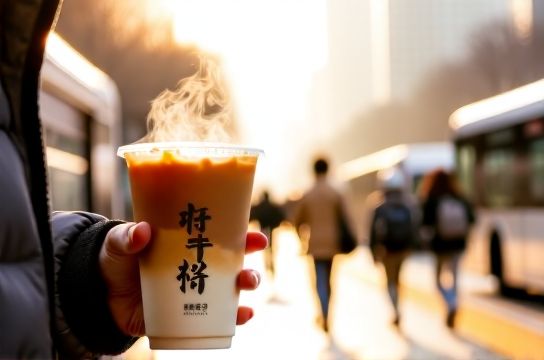
Forget the old-school instant Nescafé. Today’s urban commuters aren’t just sipping; they’re curating. And guess what? Many are swapping espresso for earthy, traditional brews that pack both flavor and function.
The Morning Grind: Commute Stats That’ll Make You Sip Slower
Take Shanghai, where the average commute clocks in at 47 minutes one-way (Gaode Maps, 2023). In Beijing, it’s even steeper—52 minutes. With over 500 million metro riders monthly across China’s top 10 cities, that’s a lot of time to enjoy a warm drink.
| City | Avg. Commute Time (min) | Daily Metro Riders (millions) | Popular On-the-Go Drink |
|---|---|---|---|
| Beijing | 52 | 12.1 | Hongcha + Chrysanthemum |
| Shanghai | 47 | 10.8 | Soy Milk & Black Sesame Latte |
| Guangzhou | 44 | 9.3 | Ginseng Tea |
| Chengdu | 40 | 6.7 | Roasted Barley Tea |
Coffee Who? Meet China’s Stealth Energy Boosters
While Starbucks has over 6,900 stores in China (Statista, 2024), local chains like Luckin Coffee are dominating with 11,000+ locations. But beneath this caffeine wave, a deeper tradition thrives.
Rozha (Roasted Barley Tea) – Known as “dad’s coffee,” this lightly toasted brew is caffeine-free, slightly nutty, and perfect for long subway rides. Chengdu locals swear by it for soothing digestion after late-night hot pot.
Sesame-Soy Lattes – Yep, you read that right. Street vendors in Shanghai blend warm soy milk with ground black sesame, creating a creamy, nutrient-dense alternative that rivals any oat milk flat white. Rich in calcium and antioxidants? Check.
Ginseng & Goji Infusions – Popular in Guangzhou, these herbal blends offer a gentle energy lift without the jitters. A 2023 survey found 68% of commuters aged 30+ prefer ginseng tea for focus during morning travel.
Why the Shift?
It’s not just nostalgia. Young professionals are turning to traditional drinks for solid reasons:
- Digestive comfort – Heavy breakfasts meet gentle tonics.
- Lower acidity – Easier on the stomach than daily lattes.
- Cultural pride – A quiet renaissance of Chinese wellness traditions.
And let’s talk cost: a handmade sesame-soy cup costs around ¥8–12, while a Starbucks grande runs ¥35+. That’s nearly three weeks of barley tea for the price of one imported coffee habit.
The Future Is Steeped in Tradition
As Chinese cities grow denser and commutes longer, the demand for meaningful, functional beverages rises. International brands are noticing—some Luckin outlets now offer “Herbal Boost” lines featuring goji and chrysanthemum.
So next time you’re crammed between backpacks on Line 10, consider this: the most authentic commute experience might not come from a paper cup with a green mermaid. It could be a humble brown brew in a reusable thermos—steaming, fragrant, and deeply Chinese.
In a country racing toward the future, sometimes the best fuel comes from the past.