
Understanding Tea Culture China One Sip at a Time
- Date:
- Views:205
- Source:The Silk Road Echo
If you've ever sipped a warm, fragrant brew while gazing at misty tea plantations in Hangzhou or watched an elderly vendor in Beijing skillfully pour boiling water with Zen-like precision, then you’ve already taken your first step into the soul of Chinese tea culture. But let’s be real—tea in China isn’t just a drink. It’s history, philosophy, and daily ritual all rolled into one delicate leaf.
The Roots Run Deep: A Sip of History
Tea in China dates back over 5,000 years—yes, five millennia! Legend has it that Emperor Shen Nong discovered tea when leaves accidentally blew into his pot of boiling water. Whether myth or truth, one thing’s certain: by the Tang Dynasty (618–907 AD), tea drinking was elevated to an art form. The famed Cha Jing (The Classic of Tea) by Lu Yu became the world’s first definitive guide on tea cultivation and preparation.
Not All Tea Is Created Equal: The Big Six
China produces hundreds of tea varieties, but they all fall under six primary categories. Each differs in oxidation, aroma, flavor, and processing method. Here’s a quick breakdown:
| Tea Type | Oxidation Level | Flavor Profile | Famous Example | Avg. Caffeine (mg/cup) |
|---|---|---|---|---|
| Green Tea | 0–10% | Grassy, fresh, vegetal | Longjing (Dragon Well) | 20–35 |
| Yellow Tea | 10–20% | Mellow, slightly sweet | Huangshan Maofeng | 25–35 |
| White Tea | 5–10% | Delicate, floral, light | Bai Hao Yinzhen (Silver Needle) | 15–30 |
| Oolong Tea | 10–85% | Complex, fruity, toasty | Tieguanyin | 30–50 |
| Black Tea (Red Tea in China) | 80–100% | Rich, malty, bold | Keemun | 40–60 |
| Dark Tea (Pu’erh) | Post-fermented | Earthy, woody, aged | Shou Pu’erh | 30–55 |
Notice how ‘black tea’ in the West is actually called ‘red tea’ (hong cha) in China? That’s because they classify by the color of the brewed liquid, not the leaf. Mind blown, right?
Tea as Ritual: More Than Just a Cup
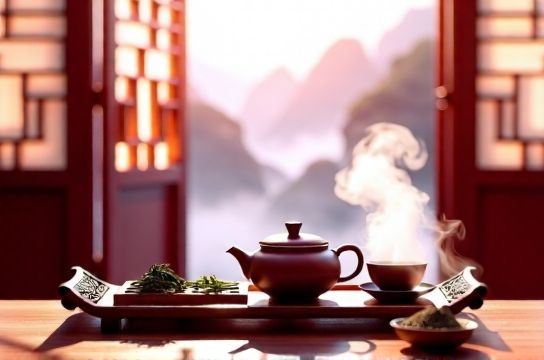
In China, making tea is often a meditative act. The Gongfu Cha (meaning “skillful tea”) method uses small clay teapots, precise water temps, and multiple short steeps to extract layers of flavor. It’s not about rushing—it’s about presence. One session can last an hour, with each infusion revealing new notes like a slow-unfolding poem.
Where to Experience Authentic Tea Culture
- Hangzhou, Zhejiang: Home of Longjing tea. Visit Meijiawu Village for plantation tours and tastings.
- Fujian Province: Birthplace of Tieguanyin and white teas. Take a trip to Anxi County.
- Yunnan Province: Where ancient tea trees grow. Pu’er city offers immersive tea forest treks.
Pro Tips for Tea Newbies
- Use fresh, filtered water—no one wants a cup tasting like yesterday’s sink.
- Match water temperature to tea type: green likes it cooler (~75°C), black can handle the heat (~95°C).
- Don’t over-steep! Green tea turns bitter in 3 minutes; oolong can go 5–7 with grace.
- Store tea in airtight containers, away from light and spices.
So next time you lift a cup, remember—you’re not just hydrating. You’re holding centuries of tradition, craftsmanship, and quiet wisdom. Now go on, take a mindful sip. Nǐ hǎo chá! (Hello, tea!)