
The Cultural Roots of Tea Culture China Practices
- Date:
- Views:286
- Source:The Silk Road Echo
When you sip a warm cup of Chinese tea, you're not just drinking a beverage—you're tasting thousands of years of history, philosophy, and tradition. From misty mountain plantations to bustling city teahouses, tea culture in China is deeply woven into the fabric of daily life and national identity.
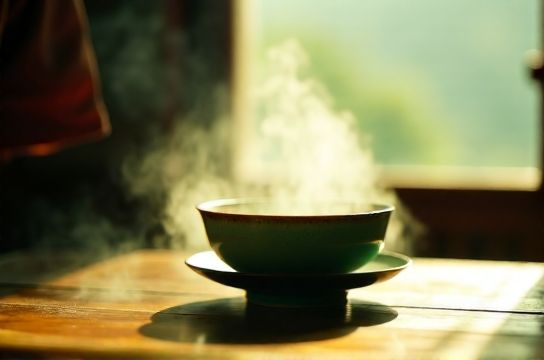
China, the birthplace of tea, has cultivated this leaf since at least 2737 BCE, according to legend when Emperor Shen Nong accidentally discovered it. Today, tea isn’t just a drink—it’s a ritual, an art form, and a symbol of harmony. Let’s dive into the roots of this rich tradition and explore how tea shapes Chinese society.
The Heart of Chinese Tea: Types & Regions
China produces over 500 types of tea, but they all fall into six main categories. Each reflects unique processing methods, regional climates, and cultural significance.
| Tea Type | Oxidation Level | Famous Example | Region |
|---|---|---|---|
| Green Tea | 0–10% | Longjing (Dragon Well) | Hangzhou, Zhejiang |
| Oolong Tea | 10–70% | Da Hong Pao | Wuyi Mountains, Fujian |
| Black Tea (Red Tea) | 80–100% | Keemun | Huangshan, Anhui |
| White Tea | 5–10% | Bai Hao Yinzhen | Fuding, Fujian |
| Fermented (Pu’erh) | Post-fermented | Aged Pu’erh | Yunnan |
| Yellow Tea | 10–15% | Junshan Yinzhen | Hunan |
Each region’s soil, altitude, and climate shape the tea’s flavor. For example, Longjing from Hangzhou has a nutty, fresh taste thanks to its flat pan-firing method, while Yunnan’s Pu’erh develops deep, earthy notes through aging—some cakes worth more than gold!
Tea Rituals: More Than Just Brewing
In China, brewing tea is an act of mindfulness. The Gongfu Cha (功夫茶) ceremony, especially popular in Fujian and Guangdong, uses small clay pots (Yixing), tiny cups, and multiple short steeps to extract layers of flavor.
It’s not about speed—it’s about savoring. Every pour respects the leaf, the water temperature, and the guest. As the saying goes: "Cha ru ren sheng" (茶如人生)—"Tea is like life." Bitter at first, sweet in the end.
Tea in Daily Life & Modern China
From street vendors to corporate offices, tea bridges generations. Over 50% of Chinese adults drink tea daily, with green tea leading in popularity (38%), followed by black (24%) and oolong (18%) (China Tea Association, 2023).
But it’s evolving. Younger generations are blending tradition with trend—think bubble tea shops serving jasmine milk foam next to ancient temples. Yet, even in modern cities like Shanghai or Shenzhen, you’ll find elders playing chess in parks with thermoses of chrysanthemum tea.
Why This Matters: Tea as Cultural Identity
UNESCO recognized Chinese tea processing techniques and social practices as Intangible Cultural Heritage in 2022. This isn’t just about leaves—it’s about community, respect, and sustainability.
Tea farms often use organic methods passed down for centuries. Families harvest by hand during spring, believing the first flush contains the purest qi (energy). In rural villages, sharing tea strengthens bonds—refusing a cup can be seen as rejecting friendship.
So next time you brew a pot, remember: you’re part of a legacy. Whether it’s a quiet morning with Longjing or a lively Gongfu session with friends, you’re keeping an ancient rhythm alive—one steep at a time.